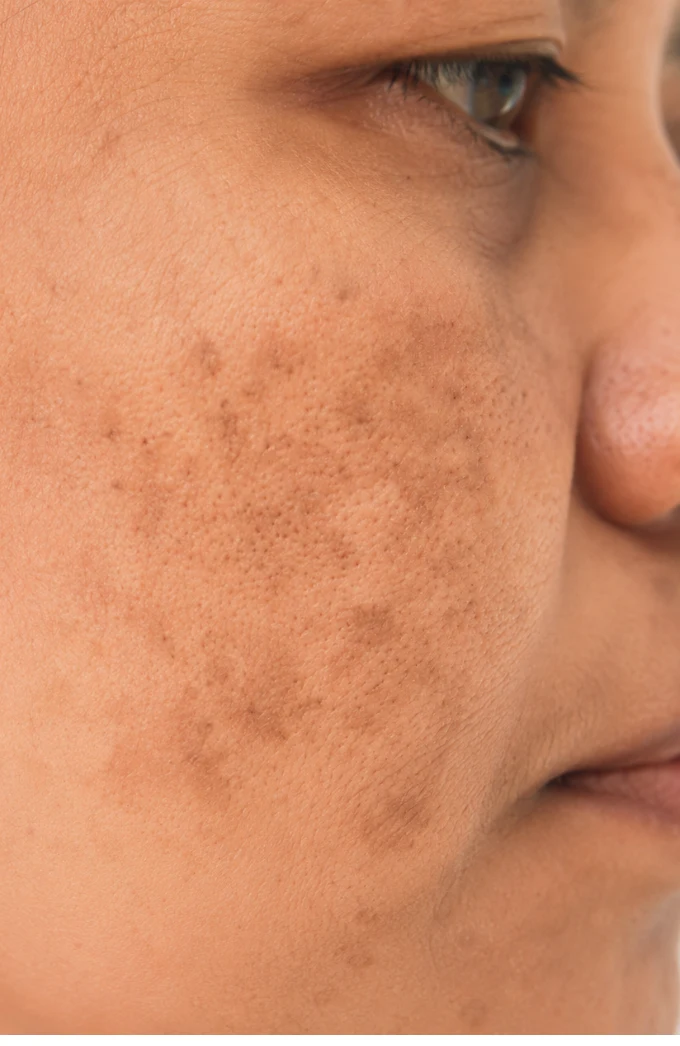
Fungal Infection

We’re always happy to hear from you! Reach out for consultations, clarifications, or just to learn more about how we can help.

Fungal Infection

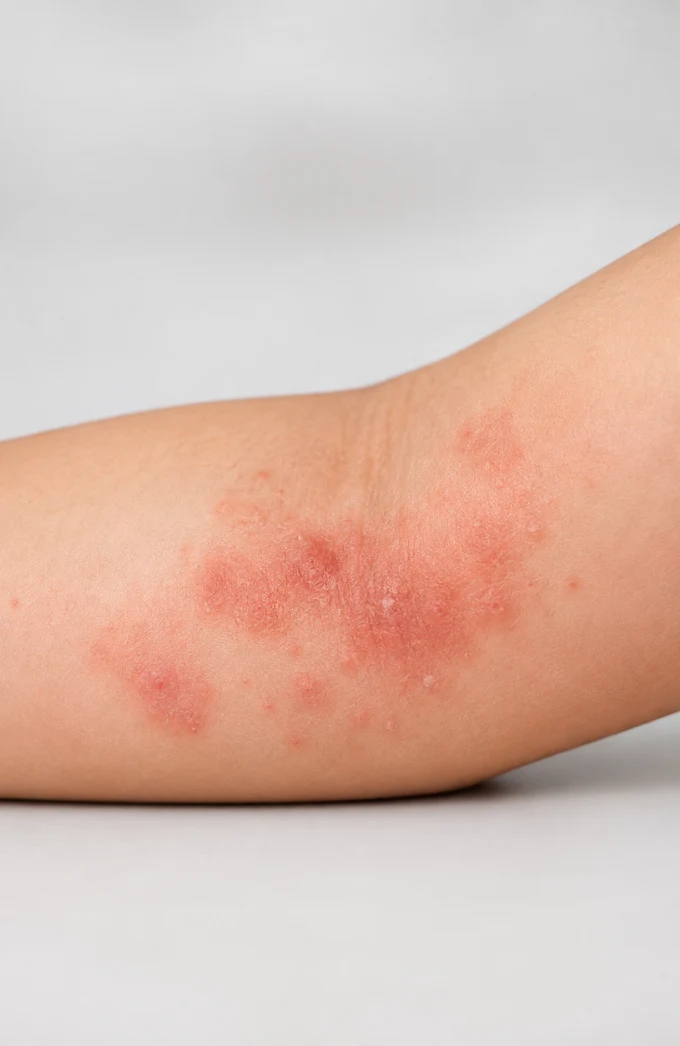
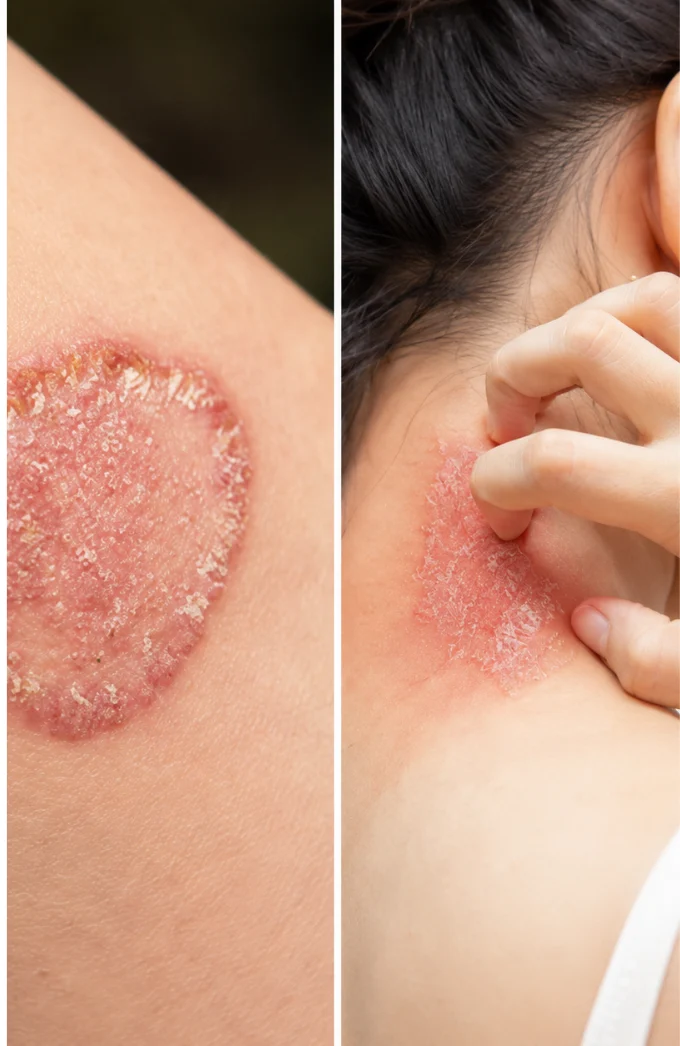
Fungal infections, or mycoses, are caused by overgrowth of yeasts or molds on skin, nails or mucous membranes. Superficial types—like athlete’s foot, jock itch, ringworm and candidiasis— cause itching, redness, scaling or nail discoloration. Subcutaneous and deep mycoses can involve lymphatics, lungs or organs in immunocompromised patients. Cutis Hospital provides precise diagnosis and antifungal therapy to eradicate infection and prevent recurrence.

Overview

Fungi live naturally on skin and mucosa but may overgrow under warm, moist conditions or with weakened immunity. Superficial infections appear as annular rashes, scaling patches or discolored, thickened nails. Diagnosis uses KOH prep and fungal culture. Treatment ranges from topical azoles and allylamines for mild disease to systemic triazoles or echinocandins for invasive infections.
Fungal infections affect millions worldwide—from athlete’s foot in athletes to candidal intertrigo in diabetics. At Cutis Hospital, we offer rapid in-office diagnostics, topical treatments (clotrimazole, terbinafine) and systemic therapies (fluconazole, itraconazole), tailored to infection type and patient risk factors.

What are the types of fungal infections?

Superficial: Tinea corporis, pedis, cruris; onychomycosis; oral/vaginal candidiasis. Subcutaneous: Sporotrichosis, chromoblastomycosis. Deep/Disseminated: Histoplasmosis, cryptococcosis, invasive candidiasis.

How do fungal infections develop?

Spores or yeast overgrow when skin barrier is compromised, moisture is high or immunity is lowered. Fungi invade keratinized tissues or internal organs via inhalation or bloodstream, causing localized or systemic disease.

Symptoms & Causes

What causes fungal infections?

Risk factors include occlusive footwear, hot/humid climates, diabetes, HIV, immunosuppressive therapy, trauma and prolonged antibiotics or steroids.

How do fungal infections develop?

Clinical exam plus KOH microscopy to visualize hyphae or yeast. Fungal culture confirms species. Wood’s lamp may detect certain dermatophytes. Biopsy with PAS stain for deep disease.

Diagnosis and tests

How are fungal infections diagnosed?

Clinical exam plus KOH microscopy to visualize hyphae or yeast. Fungal culture confirms species. Wood’s lamp may detect certain dermatophytes. Biopsy with PAS stain for deep disease.

Are there any tests to diagnose fungal infection?

KOH prep, fungal culture, PAS-stained histology and antigen/antibody assays for systemic mycoses. Imaging for internal involvement.

Expert care starts here.

At Cutis, you’re in safe hands with Dr. B.S. Chandrashekar and our team of specialists. Just fill out the form, and we’ll get in touch to confirm your visit.

Fungal infections range from superficial to life-threatening Diagnosis via KOH prep, culture and imaging Topical azoles for skin; terbinafine for nails Systemic triazoles for invasive disease Risk factors include moisture, immunosuppression

Fungal infection categories

Superficial: Skin, nails, mucosa Subcutaneous: Under skin Deep: Organs, bloodstream

Treatment modalities for fungal infections

Topical: Clotrimazole, terbinafine, nystatin. Systemic: Fluconazole, itraconazole, terbinafine, echinocandins. Supportive: Drying powders, hygiene measures.

Being the best hospital for fungal infection treatment in Vijayanagar Bangalore, Cutis Hospital offers rapid diagnostics and targeted antifungal regimens.

Topical Azoles

Clotrimazole or ketoconazole cream twice daily for 2–4 weeks.

Allylamines

Terbinafine cream or gel for dermatophytes; oral terbinafine for onychomycosis.

Oral Triazoles

Fluconazole or itraconazole for severe or refractory cases.

Echinocandins

Caspofungin or micafungin for invasive candidiasis.

Antifungal Shampoos

Keep skin dry; avoid occlusive clothing; maintain glycemic control.

Supportive Care

Keep skin dry; avoid occlusive clothing; maintain glycemic control.

Best Hospital for Fungal Infection Treatment in Bangalore

Effective management combines accurate identification, tailored antifungal therapy and preventive strategies. At Cutis Hospital, our infectious disease and dermatology teams collaborate to ensure complete resolution and reduce recurrence.
We provide comprehensive services including Body Contouring, Botox & Fillers, HIFU, Laser Toning, Gold Toning, Chemical Peels, Facial Rejuvenation, Laser Hair Removal, alongside expert fungal infection management.

Cutis Viewpoint

Articles

Psoriasis Treatment in Bangalore: Biologics, Lasers & Remission Strategies (2026 Guide)

Introduction Psoriasis is a chronic, autoimmune inflammatory skin condition affecting

Read More..

Melasma Treatment in Bangalore: Causes, Latest Therapies & Long-Term Management

Introduction Melasma is a chronic hyperpigmentation disorder affecting millions worldwide,

Read More..

Pigmentation Treatment in Bangalore: Dark Spots, Lasers & Advanced Skin Brightening (2026 Guide)

Introduction Pigmentation disorders are among the most common and emotionally

Read More..

Fungal Infection Treatment in Bangalore: Complete Identification, Treatment & Prevention Guide

Introduction Fungal skin infections affect millions globally and are among

Read More..

Atopic Dermatitis (Eczema): Complete Guide to Modern Treatment in Bangalore

Introduction Atopic dermatitis, commonly known as eczema, is a chronic

Read More..

Easily book an appointment in 3 simple steps.