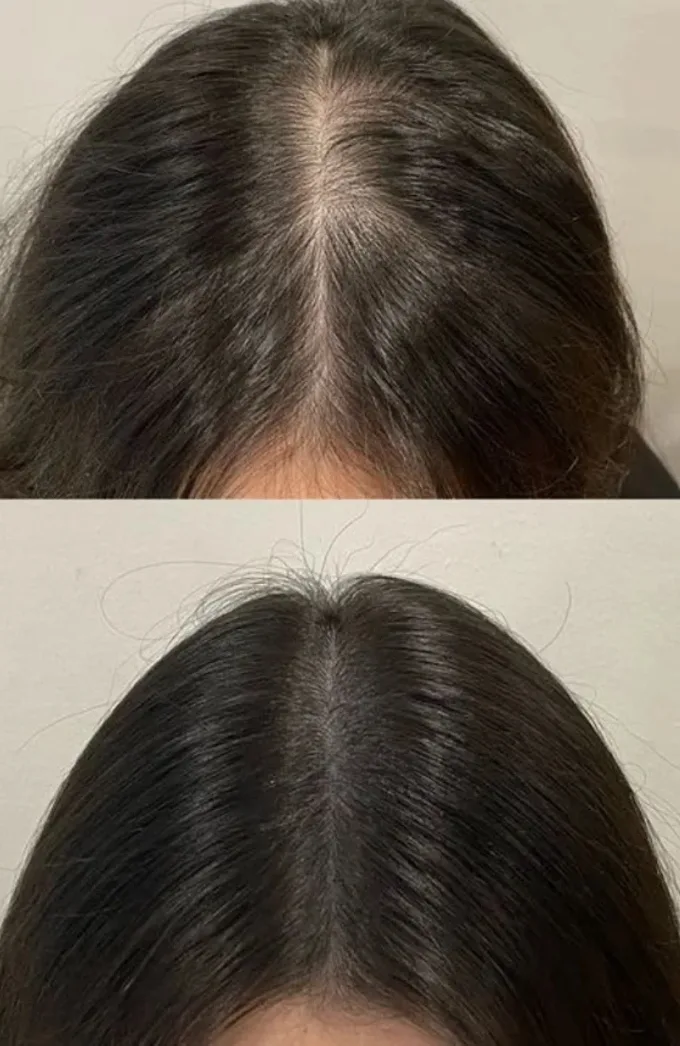
Alopecia areata is an autoimmune disorder causing non-scarring, patchy hair loss anywhere on
the body. Affects nearly 7 million in the US. Psychological impact can be profound. Cutis Hospital
offers immunomodulatory treatments and support to promote regrowth and address quality-of-
life concerns.
Overview
Immune-mediated attack on hair follicles leads to sudden hair loss in round patches. Presents on
scalp, eyebrows, eyelashes; may progress to totalis or universalis. No cure, but medications
(corticosteroid injections, topical immunotherapy, JAK inhibitors) can induce regrowth.
Multidisciplinary care addresses emotional wellbeing.
Alopecia areata often begins as small bald patches. Nail pitting may accompany. At Cutis
Hospital, we use intralesional corticosteroids, topical sensitizers and systemic agents when
needed, along with counseling and camouflage options to support patients.
What are the types of alopecia areata?
Patchy: One or more round patches.
Totalis: Complete scalp hair loss.
Universalis: Loss of all body hair.
Ophiasis: Band-like pattern on scalp margins.
How does alopecia areata develop?
Autoreactive T cells target hair follicle antigens. Genetic predisposition plus environmental
triggers (viruses, stress) initiate autoimmune response, causing hair follicles to enter resting
phase and shed.
Symptoms & Causes
What causes alopecia areata?
Autoimmune attack driven by HLA-associated genetics; potential triggers include viral
infections, psychological stress and other immune-mediated diseases.
How does alopecia areata develop?
Clinical examination of pattern and nail changes. Dermoscopy shows “exclamation mark” hairs.
Biopsy rarely needed; reveals peribulbar lymphocytic infiltrate.
Diagnosis and tests
How is alopecia areata diagnosed?
Clinical examination of pattern and nail changes. Dermoscopy shows “exclamation mark” hairs.
Biopsy rarely needed; reveals peribulbar lymphocytic infiltrate.
Are any tests performed for alopecia areata?
Laboratory tests to screen for thyroid disease and other autoimmune conditions may be done.
Biopsy confirms peribulbar inflammation if diagnosis uncertain.
Expert care starts here.
At Cutis, you’re in safe hands with Dr. B.S. Chandrashekar and our team of specialists. Just fill out the form, and we’ll get in touch to confirm your visit.
Alopecia areata causes non-scarring patchy hair loss
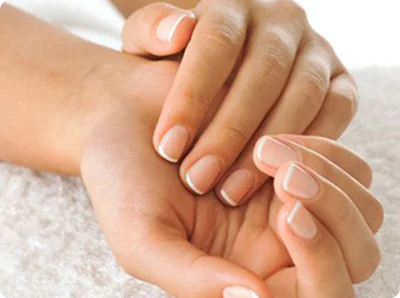
Nail pitting occurs in ~20% of cases
Can progress to total scalp or body hair loss
Intralesional steroids induce regrowth in many patients
Psychological support and camouflage aid coping
Alopecia areata patterns:
Patchy scalp
Ophiasis (band-like)
Totalis and universalis
Treatment modalities for alopecia areata:
Intralesional corticosteroids, topical immunotherapy (diphenylcyclopropenone),
topical/minoxidil, systemic JAK inhibitors (for severe cases), psychosocial support.
Being the best hospital for alopecia areata in Vijayanagar Bangalore, Cutis Hospital offers
cutting-edge immunomodulatory therapies and comprehensive patient support.
Intralesional Steroids
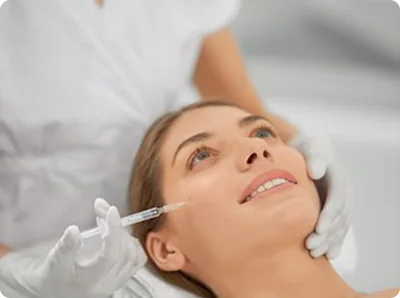
Triamcinolone injections into lesions every 4–6 weeks stimulate regrowth.
Topical Immunotherapy
DPCP or SADBE applied weekly induces immune modulation and hair regrowth.
Tofacitinib or ruxolitinib for extensive disease; monitor labs.
Camouflage Options
Individual and group counseling to address self-esteem and coping.
Psychological Support
Individual and group counseling to address self-esteem and coping.
Best Hospital for Alopecia Areata in Bangalore
Management combines targeted immunotherapy, supportive care and cosmetic solutions. At
Cutis Hospital, our multidisciplinary team ensures optimal hair regrowth and emotional wellbeing.
We provide full-spectrum dermatology and aesthetic services including Body Contouring, Botox
& Fillers, HIFU, Laser Toning, Gold Toning, Chemical Peels, Facial Rejuvenation, Laser Hair
Removal, alongside specialized alopecia areata programs.