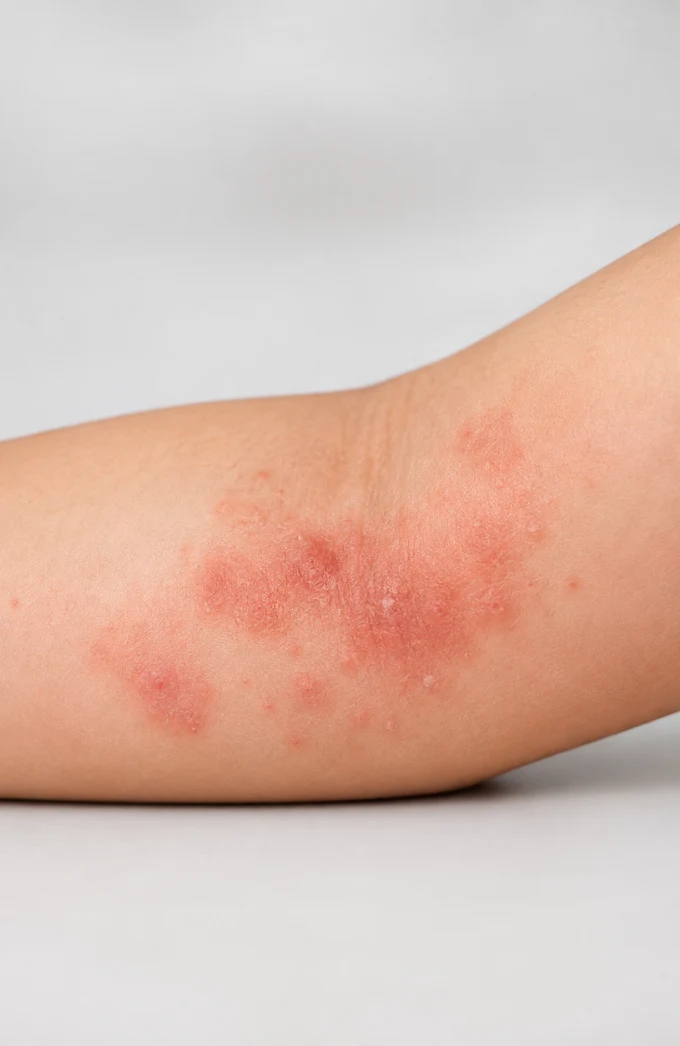
Acne Scar

Weʼre always happy to hear from you! Reach out for consultations, clarifications, or just to learn more about how we can help.

Acne Scar

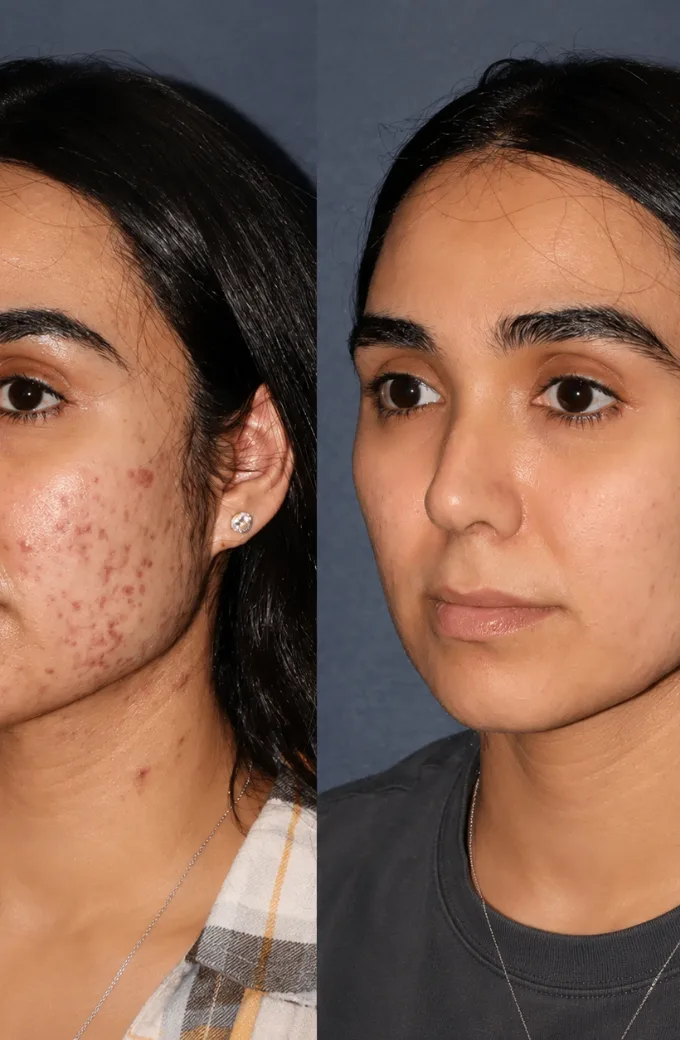
Acne scars—whether they appear as pits, depressions, or raised marks—develop after severe or untreated acne and can impact both texture and tone of the skin. At Cutis Hospital, advanced aesthetic dermatology treatments are tailored for each patient, using a comprehensive approach that may include lasers, chemical peels, fillers, subcision, microneedling, and surgical revision. Modern methods like fractional CO2 and Er:YAG lasers, microneedling with PRP, and medical-grade peels work together to rebuild collagen, smooth scar depressions, and restore healthy, even skin. These combined therapies minimize scar visibility and help achieve a smoother, more revitalized complexion.

Overview

Acne scars are categorized as atrophic—icepick, boxcar, and rolling—or hypertrophic/keloidal, based on their appearance and the underlying healing process. Atrophic scars result from collagen loss and include icepick scars (deep and narrow), boxcar scars (wide with sharp edges), and rolling scars (broad and undulating). Hypertrophic and keloidal scars are raised and caused by excess collagen formation, sometimes growing beyond the original wound.​ Treatment at Cutis Hospital is carefully selected according to both scar type and individual skin tone, using advanced techniques such as CO₂ lasers, chemical peels, microneedling, dermal fillers, and subcision for optimal results. Cutis Hospital’s dermatologists employ a multimodal protocol, combining several therapies in a personalized strategy to achieve smooth, even skin and minimize the visibility of scars
Acne scars can have a significant impact on both self-esteem and skin confidence, often leading to emotional distress and reduced quality of life. Many individuals experience feelings of embarrassment and social anxiety due to visible scarring, which can affect daily activities and personal relationships.​ Cutis Hospital recognizes these challenges and provides personalized assessment tailored to each patient’s skin concerns and goals. Their team offers a comprehensive range of treatment options, including advanced fractional lasers, dermal fillers, and scar revision surgery—targeting smoother texture and more even skin tone for holistic skin confidence.

What causes acne scars?

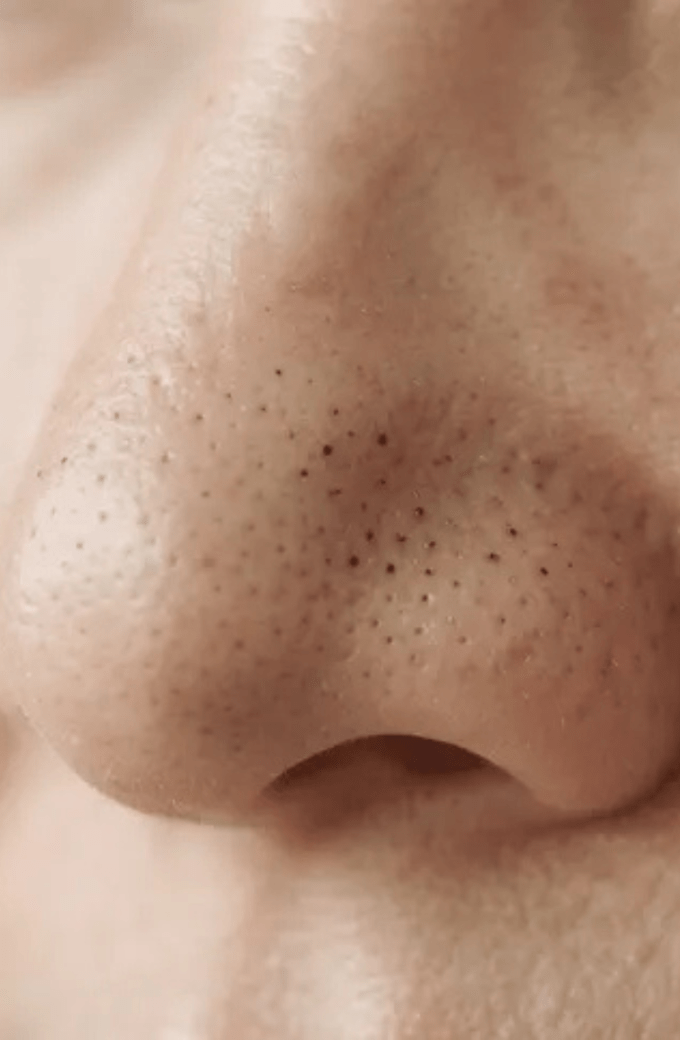
Acne develops when a combination of bacteria, excess oils, and dead skin cells collect within pores—the tiny openings in your skin that allow oil and sweat to reach the surface. Normally, around 40,000 old skin cells shed from your body each hour, but sometimes these dead cells don’t clear away and begin to block pores. If the blockage stays small, it can result in whiteheads or blackheads; if the pore becomes inflamed, it can progress to more severe pimples or cystic acne.​ Acne is extremely common, affecting nearly 80% of people between ages 11 and 30, with teenagers especially prone to breakouts due to changing hormones and increased oil production in the skin. Anyone dealing with acne should know they’re not alone—this condition is the most widespread skin concern globally.

How are scars treated?

Scars are managed using several specialized techniques, selected based on type and severity to best improve appearance, comfort, and function. For mild surface scars, topical creams and silicone sheets can reduce inflammation and enhance texture over time. Raised or keloid scars are often treated with steroid or 5-FU injections, helping to flatten them and relieve symptoms such as itching and pain. Laser therapy—including ablative and fractional lasers—and dermabrasion resurface the skin, reducing redness and evening out skin tone for smoother results.​ More intensive surgical procedures, like scar revision, skin grafts, and Z-plasty, may be considered for deep, severe, or movement-limiting scars to restore both function and aesthetics. Additional options include chemical peels, cryotherapy, and injectable fillers, each chosen to target depressed, discolored, or uneven scars. Often, dermatologists combine these techniques for customized care to maximize scar improvement.

How long does improvement take?

Most acne scar treatments require a series of sessions to achieve the best results, with improvements happening gradually over time. Depending on the treatment type and severity of the scars, patients typically need between 3 and 12 sessions, usually spaced about 3 to 6 weeks apart. Noticeable progress often appears after several months, and full results may take up to 36 months as the skin continues to heal and remodel.​ Consistency and patience are essential, as ongoing treatments help fade scars, smooth texture, and even out skin tone over the long term.

How are scars treated?

Some are permanent, but treatments can significantly reduce visibility.Most acne scars are permanent, but advanced treatments can significantly reduce their visibility and improve overall skin texture. Dermatologists offer a variety of effective solutions, including microneedling, laser resurfacing, chemical peels, and injectable fillers, all of which can help smooth out scarred areas, boost collagen production, and restore a more even skin tone over time. While these procedures may not erase scars completely, many patients experience lasting improvements in the appearance of their skin with the right combination of treatments and ongoing care from a skin specialist. By consulting with an experienced dermatologist, you can receive a personalized treatment plan tailored to your unique skin needs, resulting in noticeable confidence and healthier-looking skin

Are scars permanent?

Some are permanent, but treatments can significantly reduce visibility.Most acne scars are permanent, but advanced treatments can significantly reduce their visibility and improve overall skin texture. Dermatologists offer a variety of effective solutions, including microneedling, laser resurfacing, chemical peels, and injectable fillers, all of which can help smooth out scarred areas, boost collagen production, and restore a more even skin tone over time. While these procedures may not erase scars completely, many patients experience lasting improvements in the appearance of their skin with the right combination of treatments and ongoing care from a skin specialist. By consulting with an experienced dermatologist, you can receive a personalized treatment plan tailored to your unique skin needs, resulting in noticeable confidence and healthier-looking skin

Expert care starts here.

At Cutis, you’re in safe hands with Dr. B.S. Chandrashekar and our team of specialists. Just fill out the form, and we’ll get in touch to confirm your visit.

Methods and Benefits

Acne scars are classified into two main types: atrophic and hypertrophic. Atrophic scars cause depressions or pits in the skin due to insufficient collagen production during healing, and they include subtypes such as ice pick, boxcar, and rolling scars. Hypertrophic scars, on the other hand, appear as firm, raised areas where excess collagen forms above the skin’s surface.​ To achieve noticeable results, scar revision often combines multiple modalities—such as microneedling, laser therapy, fillers, and chemical peels—tailored to the specific type and severity of acne scarring. Gradual improvement occurs over a series of treatment sessions, as the skin responds and regenerates with each intervention. Early intervention yields the best possible outcome, making it essential to consult with a qualified dermatologist soon after scarring begins for a personalized treatment plan.​

Scar classification

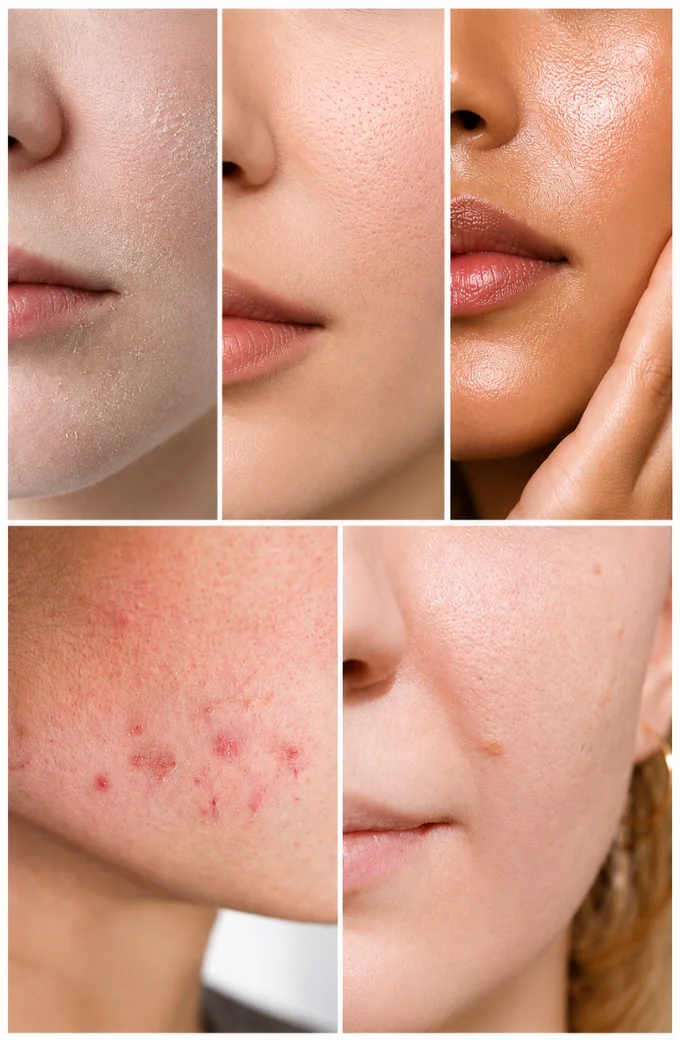
Acne scars are classified into four main types, each with distinct characteristics. Ice-pick scars are deep and narrow, resembling small, sharp punctures in the skin. Rolling scars are shallow and broad, creating a wavy or undulating appearance on the skin’s surface due to underlying fibrous bands. Boxcar scars are punched-out depressions with sharply defined edges and can be either shallow or deep, often wider than ice-pick scars. Hypertrophic and keloidal scars, on the other hand, are raised above the skin due to excessive collagen production during healing.

Treatment options

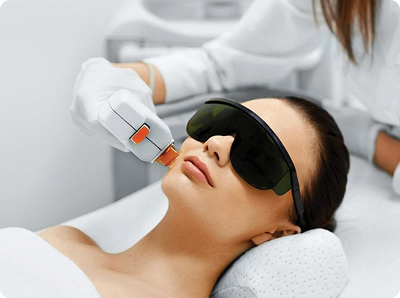
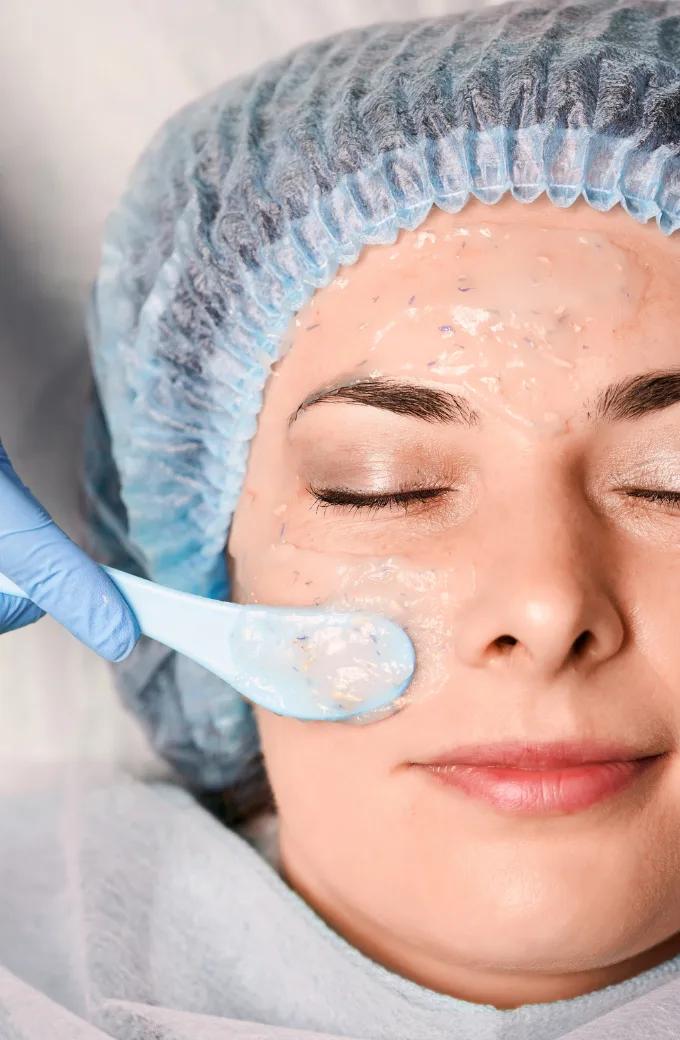
A wide range of advanced treatment options exist for acne scar revision, allowing dermatologists to address diverse scar types with tailored therapies. Laser treatments—such as fractional CO₂ and Er:YAG lasers—can precisely resurface skin and stimulate collagen remodeling, delivering marked improvement for atrophic scars. Injectable fillers help restore lost volume and smooth out depressions, especially in rolling and boxcar scar types. Chemical peels exfoliate damaged skin, promoting regeneration and improved texture. Microneedling enhances natural collagen production, while subcision releases fibrous bands that cause tethering in deeper scars. In some cases, direct scar excision may be necessary for isolated, stubborn lesions, resulting in more even skin. Combination therapy often provides the most significant and lasting results for scar reduction.


Being the best hospital for acne scar revision in Vijayanagar Bangalore, Cutis Hospital brings together laser, filler and surgical expertise for smoother, scar-free skin.

Laser Resurfacing

Fractional CO₂ or Er: Yag for texture improvement

Dermal Fillers

Hyaluronic acid restores atrophic volume

Chemical Peels

TCA or glycolic peel smooths mild surface scars

Microneedling

Induces collagen for rolling scars

Subcision

Punch excision or elliptical closure for deep scars

Scar Revision Surgery

Punch excision or elliptical closure for deep scars

Best Hospital for Acne Scar Removal in Bangalore

Cutis Hospital provides safe, advanced, and effective acne scar treatments using the latest dermatological technologies such as laser therapy, injectable fillers, chemical peels, microneedling, subcision, and scar excision. Their expert team of dermatologists creates personalized treatment plans tailored to each patient’s unique skin type and scar severity. With a comprehensive approach, Cutis Hospital helps patients achieve clearer, smoother skin, reducing the visibility of stubborn acne scars while boosting confidence and enhancing natural beauty. Experience compassionate, cutting-edge care designed to deliver long-lasting results and healthier skin at Cutis Hospital, trusted for excellence in acne scar management.
We provide a wide range of cosmetic services—peels, lasers, fillers, facial rejuvenation, skin radiance, and personalized scar care.

Cutis Viewpoint

Articles

Psoriasis Treatment in Bangalore: Biologics, Lasers & Remission Strategies (2026 Guide)

Introduction Psoriasis is a chronic, autoimmune inflammatory skin condition affecting

Read More..

Melasma Treatment in Bangalore: Causes, Latest Therapies & Long-Term Management

Introduction Melasma is a chronic hyperpigmentation disorder affecting millions worldwide,

Read More..

Pigmentation Treatment in Bangalore: Dark Spots, Lasers & Advanced Skin Brightening (2026 Guide)

Introduction Pigmentation disorders are among the most common and emotionally

Read More..

Fungal Infection Treatment in Bangalore: Complete Identification, Treatment & Prevention Guide

Introduction Fungal skin infections affect millions globally and are among

Read More..

Atopic Dermatitis (Eczema): Complete Guide to Modern Treatment in Bangalore

Introduction Atopic dermatitis, commonly known as eczema, is a chronic

Read More..

Easily book an appointment in 3 simple steps.