
Psoriasis Treatment in Bangalore: Biologics, Lasers & Remission Strategies (2026 Guide)
Introduction
Psoriasis is a chronic, autoimmune inflammatory skin condition affecting millions of people worldwide. For those living with psoriasis, it is far more than “just a skin rash.” Persistent itching, cracking, bleeding plaques, and visible lesions often cause physical discomfort and significant emotional distress due to social stigma.
The good news is that 2026 marks a golden era in psoriasis management. Treatment goals have shifted from temporary symptom relief to near-complete or complete skin clearance (PASI 90–100). With revolutionary advances in biologic therapies, phototherapy, and small-molecule drugs, long-term remission is now achievable for many patients.
At Cutis Hospital Bangalore, we specialize in these advanced, evidence-based psoriasis treatment protocols to help patients regain confidence and quality of life.
Understanding Psoriasis: Beyond the Skin
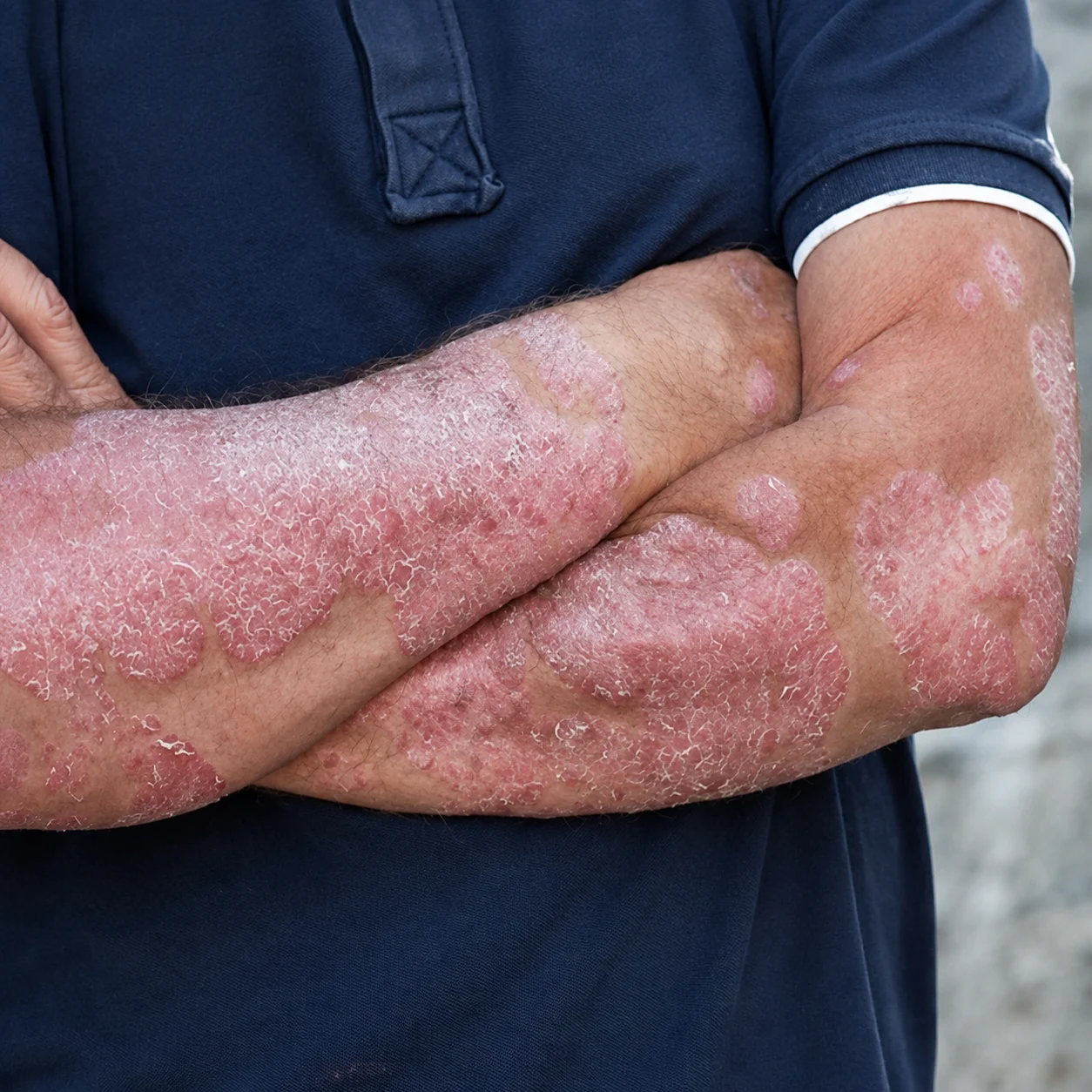
Psoriasis is a systemic immune-mediated disease, not just a surface skin condition. It occurs when the immune system mistakenly attacks healthy skin cells, causing them to multiply up to 10 times faster than normal.
Instead of shedding gradually, skin cells accumulate rapidly, forming thick, scaly plaques. Importantly, the inflammation seen on the skin often reflects inflammation inside the body, which is why psoriasis is associated with:
- Cardiovascular disease
- Diabetes and metabolic syndrome
- Anxiety and depression
This systemic nature makes professional dermatological care essential.
Clinical Presentation & Types of Psoriasis
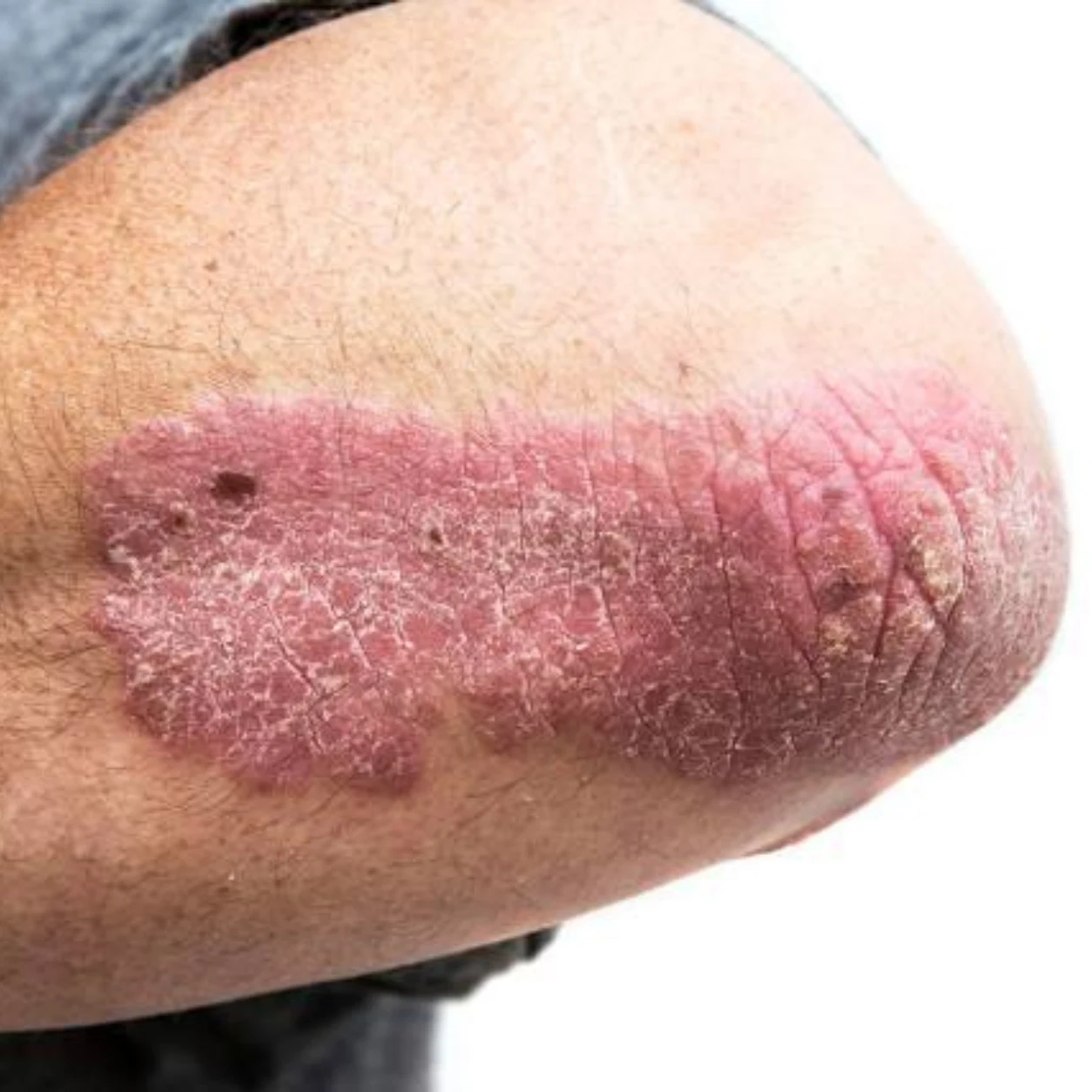
Plaque Psoriasis (Most Common – ~80%)
- Raised, red plaques with silvery-white scales
- Commonly affects elbows, knees, scalp, and lower back
- Anxiety and depression
Guttate Psoriasis
- Small, drop-like pink lesions
- Often triggered by streptococcal throat infections
Inverse Psoriasis
- Smooth, red patches in skin folds such as armpits and groin
- Worsened by sweating and friction
Pustular Psoriasis
- Severe form with non-infectious pus-filled blisters
Psoriatic Arthritis
- Affects up to 30% of psoriasis patients
- Causes joint pain, stiffness, and swelling
- Early diagnosis prevents permanent joint damage
The 2026 Paradigm Shift in Psoriasis Treatment
Older treatments relied on non-specific immunosuppressants and topical agents with limited effectiveness. Modern psoriasis management now targets specific immune pathways responsible for inflammation—namely IL-17, IL-23, and TNF-alpha.
Modern Psoriasis Treatment Options at Cutis Hospital
1.Biologic Therapies (Precision Medicine)
Biologics are protein-based medications designed to target only the immune pathways driving psoriasis.
Key advantages:
- Highly targeted action
- Rapid plaque clearance
- Superior safety profiles
- Long-lasting remission
Commonly used biologics in 2026 include:
- IL-17 inhibitors (e.g., Secukinumab)
- IL-23 inhibitors (e.g., Risankizumab)
Many patients experience dramatic improvement within 12–16 weeks of therapy.
2.Phototherapy: Light as Medicine
Narrowband UVB (NB-UVB)
- Controlled exposure to therapeutic UV light
- Slows excessive skin cell growth
- Safe for children and pregnant women
Excimer Laser
- Delivers high-intensity UVB directly to stubborn plaques
- Ideal for localized psoriasis (scalp, elbows, knees)
- Faster results than traditional phototherapy
3. Small-Molecule Drugs (JAK Inhibitors)
For patients who prefer oral medications, JAK inhibitors such as Deucravacitinib provide a powerful alternative.
Narrowband UVB (NB-UVB)
- Block intracellular inflammatory signaling
- Rapid onset of action
- Suitable for moderate-to-severe disease
These medications are prescribed with careful monitoring by experienced dermatologists.
Cutis Hospital’s Integrated Psoriasis Management Approach
At Cutis Hospital, psoriasis care goes beyond prescriptions.
Severity-Based Assessment
- PASI score and body surface area (BSA) evaluation
- Guides selection of topical, systemic, or biologic therapy
Metabolic & Lifestyle Management
- Weight management and dietary guidance
- Addressing insulin resistance and metabolic syndrome
Biomarker-Guided Therapy
- Personalized biologic selection
- Reduces trial-and-error treatment cycles
Conclusion
In 2026, you no longer need to settle for “manageable” psoriasis. With advanced biologics, laser therapies, and personalized care, clear skin and long-term remission are realistic goals.
Frequently Ask Question
We use only the best quality materials on the market in order to provide the best products to our patients.
No. Psoriasis is an autoimmune condition and cannot be spread by contact.
Psoriasis is chronic, but many patients on biologics achieve deep remission with widely spaced treatments.
Yes. Stress is one of the most common triggers. Stress management is an important part of treatment.