
Melasma Treatment in Bangalore: Causes, Latest Therapies & Long-Term Management
Introduction
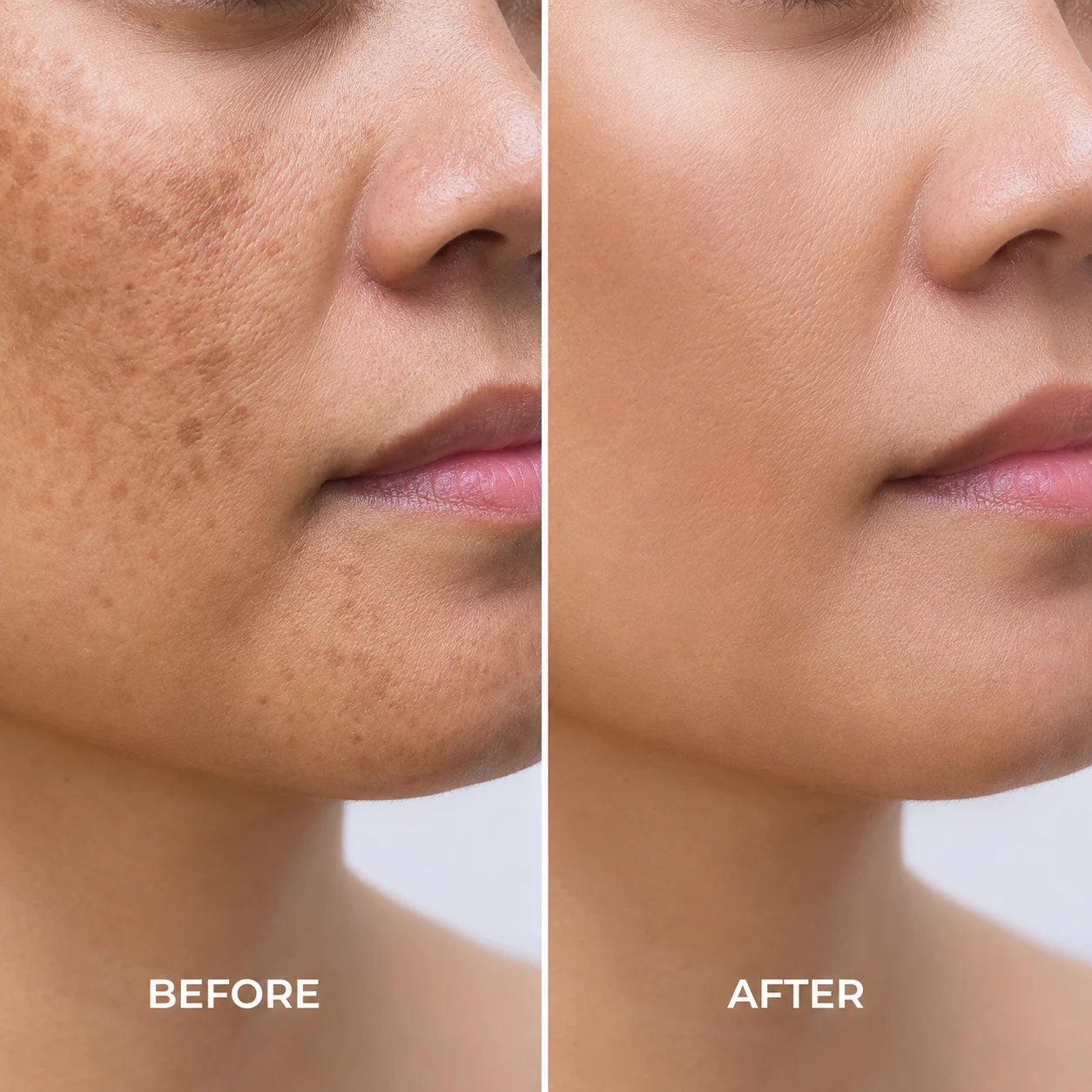
Melasma is a chronic hyperpigmentation disorder affecting millions worldwide, with a significantly higher prevalence in women (nearly 90% of cases) and individuals with darker skin tones. In Bangalore’s tropical climate, constant sun exposure makes melasma increasingly common.
This condition goes beyond cosmetic concern—it deeply affects self-esteem and quality of life. Unlike simple tanning or pigmentation, melasma results from a complex interaction of sun exposure, genetics, hormones, inflammation, and oxidative stress.
The encouraging news is that 2025 has introduced paradigm-shifting treatments, including oral medications and advanced laser technologies, offering better and longer-lasting results. This guide explains modern melasma management strategies available at Cutis Hospital Bangalore.
What Is Melasma?
Melasma (also called chloasma) is a benign but persistent pigmentation disorder characterized by symmetrical brown to grey-brown patches, most commonly seen on:
- Cheeks
- Forehead
- Nose bridge
- Upper lip
- Temples
- Occasionally neck and forearms
Epidemiology & Demographics
- Gender: 90% of cases affect women
- Age of onset:20–50 years
- Skin type:More common in Fitzpatrick skin types III–VI
- Geographic prevalence: High in Asia, Latin America, and the Middle East
- Bangalore relevance: High UV exposure and genetic predisposition increase risk
Why Melasma Develops: Multifactorial Causes
1. Sun Exposure & UV Radiation (Primary Trigger)
- UVA and UVB rays overstimulate melanocytes
- Increase melanin production and transfer
- Even brief sun exposure can maintain disease activity
- Bangalore’s year-round sun is a major risk factor
- Arms: Treats stubborn upper arm fat to achieve a more toned appearance.
- Back: Reduces localized fat on the upper and lower back for a smoother body profile.
- Double Chin: Minimizes excess fat beneath the chin to improve jawline definition.
2. Genetic Predisposition
- Strong family history in up to 90% of patients
- Genetic variations affecting melanin synthesis
- Higher prevalence in specific ethnic populations
3. Hormonal Influences
- Oral contraceptive pills
- Hormone replacement therapy
- Pregnancy (chloasma gravidarum)
- Thyroid disorders Hormonal fluctuations can trigger or worsen existing melasma.
4. Skin Inflammation & Oxidative Stress
- Chronic UV-induced inflammation
- Mast cell activation and inflammatory mediators
- Increased vascularity
- Pollution-related oxidative stress (common in Bangalore)
- Improved confidence in fitted clothing
5. Environmental & Lifestyle Factors
- Air pollution and particulate matter
- Phototoxic cosmetics combined with sun exposure
- Chronic stress
- Smoking
- Inadequate skincare and sun protection
Pathophysiology: What Happens at the Cellular Level
Melanin Overproduction
- Increased melanocyte activity
- Upregulated tyrosinase enzyme
- Excessive melanosome production
- Abnormal melanin transfer to skin cells
Vascular & Inflammatory Component
- Mast cell–mediated inflammation
- Angiogenesis (new blood vessel formation)
- Growth factors (VEGF, FGF-2, TGF-β) driving progression
Dermal Structural Changes
- Solar elastosis
- Basal membrane damage
- Dermal melanophages storing pigment
2025 Treatment Revolution: Modern Melasma Therapies
1. Photoprotection (Foundation of All Treatment)
Without strict sun protection, recurrence approaches 100%.
Essential measures include:
- SPF 50+ broad-spectrum sunscreen daily
- Zinc oxide or titanium dioxide–based physical blockers
- Antioxidant serums (Vitamin C, E, ferulic acid)
- Hats, umbrellas, protective clothing
- Avoid peak sun hours (10 AM–4 PM)
2. Topical Treatments
Hydroquinone
- Gold standard depigmenting agent
- Inhibits melanin synthesis
- Requires controlled use to avoid side effects
Tretinoin
- Accelerates skin turnover
- Improves melanin dispersion
- Enhances penetration of other agents
Triple Combination Therapy
- Fluocinolone + hydroquinone + tretinoin
- Most effective topical regimen
- Visible improvement in 4 weeks
Kojic Acid & Azelaic Acid
- Safer alternatives for sensitive skin
- Useful for maintenance therapy
- Visible improvement in 4 weeks
3. Oral Tranexamic Acid (Game Changer)
- Reduces melanocyte activation
- Dosage: 250–500 mg twice daily
- Visible improvement in 4–8 weeks
- 60–80% success rate
- Excellent safety profile under supervision
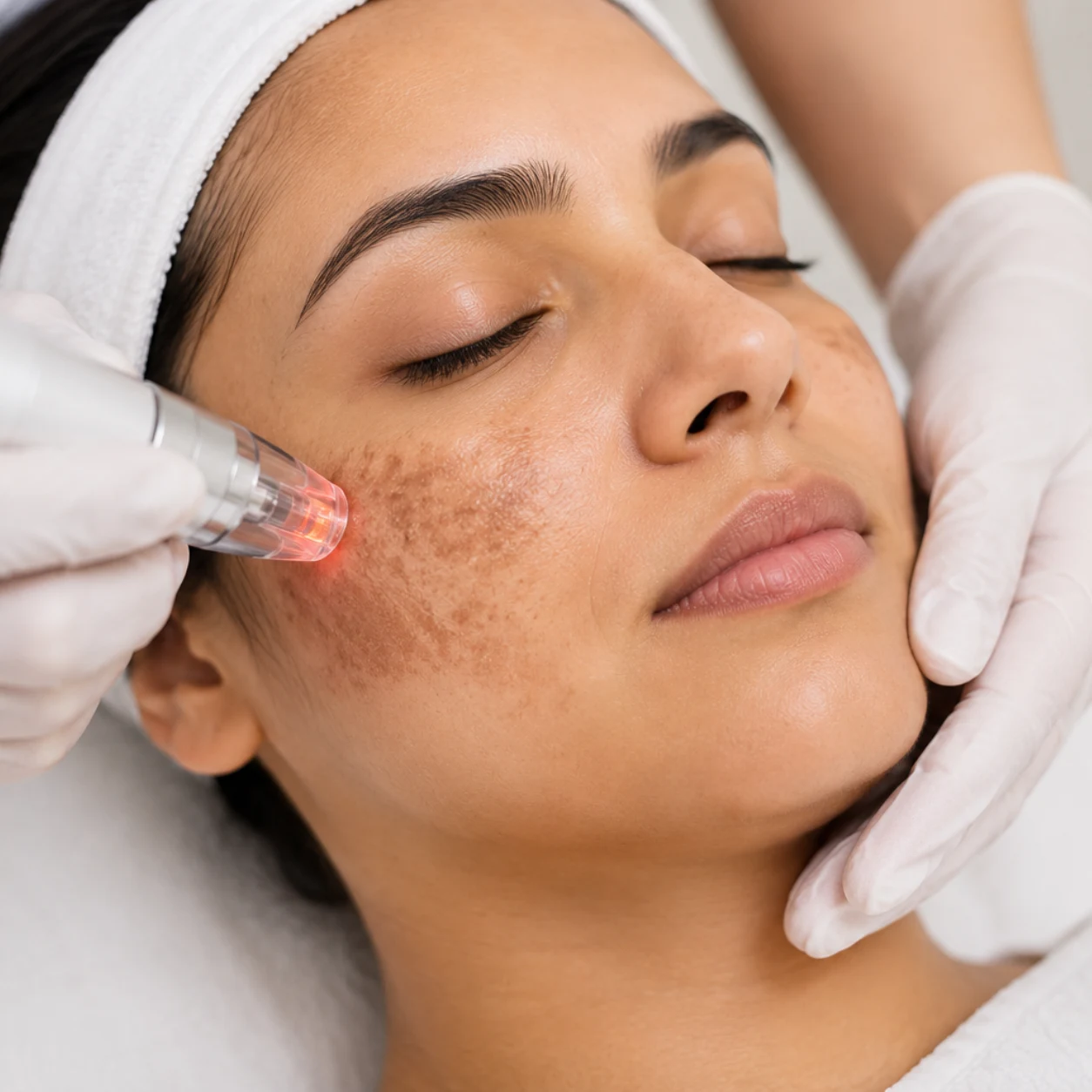
4. Advanced Laser & Light Therapies
Q-Switched Nd:YAG Laser
- Targets superficial and deep pigment
- Requires multiple sessions
- Effective but technique-dependent
Picosecond Laser (Latest Innovation)
- Ultra-short pulses shatter pigment safely
- Minimal heat damage
- Lower risk of rebound pigmentation
- Preferred option in 2025
Fractional Lasers
- Remove damaged pigment layers
- Improve skin texture
- Require downtime
Intense Pulsed Light (IPL)
- Mild option for maintenance
- Best used in combination protocols
Combination Therapy: Best Results
Common protocols include:
- Laser + oral tranexamic acid + topical therapy
- Oral medication + triple combination cream
- Laser sessions followed by maintenance therapy
Typical timeline:
- Months 1–2: Topicals + oral medication
- Months 2–3: Add laser if needed
- Months 4–6: Continue therapy
- Maintenance phase thereafter
Dermatological Classification of Melasma
- Epidermal: Brown, superficial, better prognosis
- Dermal: Grey-blue, deeper, slower response
- Mixed (most common): Requires combination therapy
Prevention: The Key to Long-Term Control
Primary Prevention
- Daily sun protection
- Avoid hormonal triggers if possible
- Stress management
- Antioxidant-rich diet
Secondary Prevention
- Maintenance sunscreen use
- Oral tranexamic acid (low-dose, dermatologist-guided)
- Periodic topical therapy
- Regular dermatology follow-ups
Cutis Hospital’s Comprehensive Melasma Program
- Detailed classification and assessment
- Digital documentation and trigger analysis
- Personalized treatment planning
- Advanced laser technology
- Ongoing monitoring to prevent recurrence
- Evidence-based combination protocols
Conclusion
Melasma is challenging but highly manageable with modern dermatology. The 2025 treatment landscape—featuring oral tranexamic acid, picosecond lasers, and combination protocols—has transformed outcomes.