
Pigmentation Treatment in Bangalore: Dark Spots, Lasers & Advanced Skin Brightening (2026 Guide)
Introduction
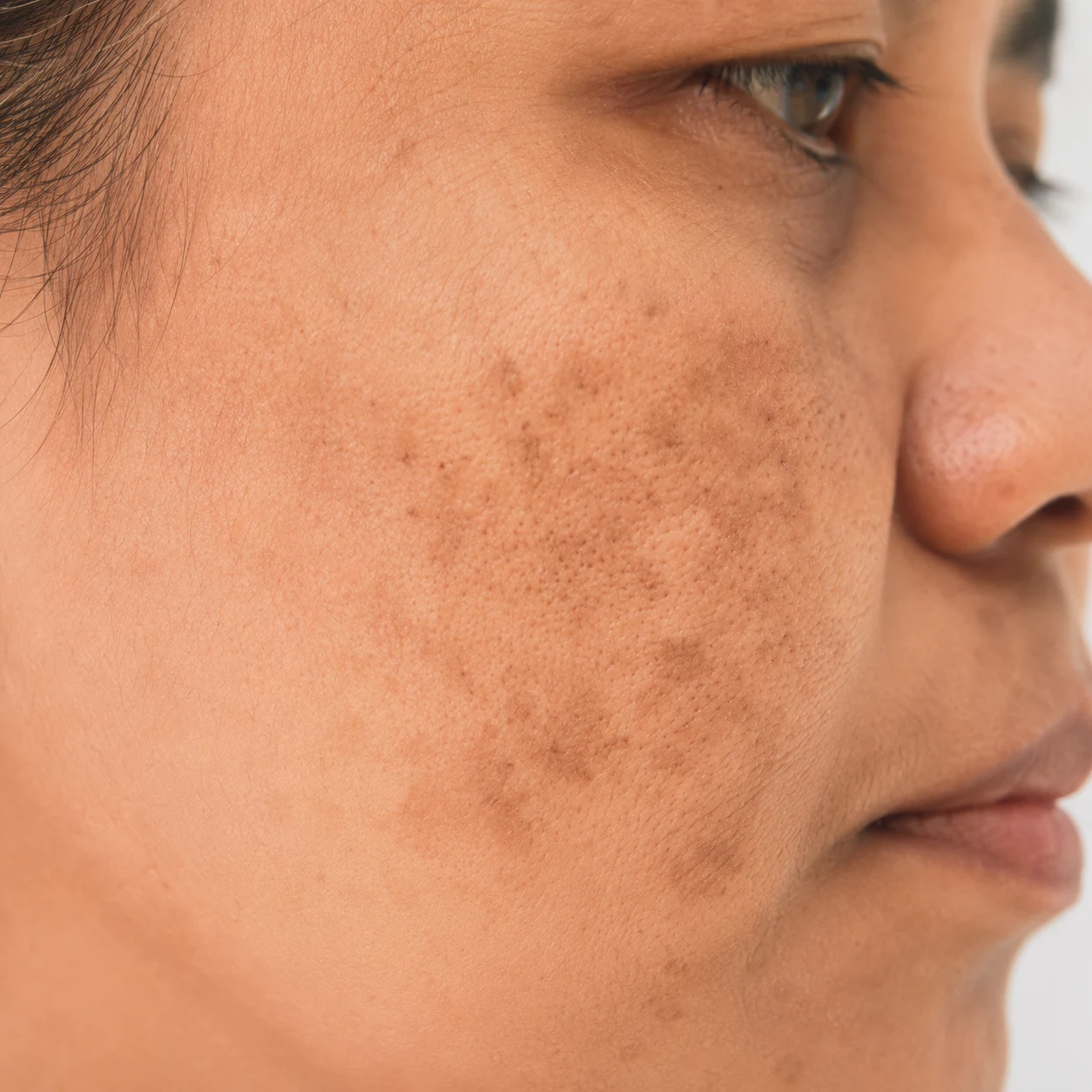
Pigmentation disorders are among the most common and emotionally distressing skin concerns faced by individuals in India. The combination of melanin-rich skin types and intense tropical sun exposure in Bangalore makes residents especially prone to conditions such as melasma, sun spots, and post-inflammatory hyperpigmentation (PIH).
What Is Pigmentation? Understanding the Science
When melanocytes (pigment-producing cells) become overstimulated or damaged, they deposit excess melanin into the skin, leading to uneven skin tone and dark patches.
Common Types of Pigmentation
1. Melasma
Often called the “mask of pregnancy”, melasma presents as symmetrical brown or grey-brown patches, commonly on the cheeks, forehead, and upper lip. It is hormonally driven and particularly difficult to treat without expert care.
2. Solar Lentigines (Sun Spots)
3. Post-Inflammatory Hyperpigmentation (PIH)
4. Periorbital Hyperpigmentation (Dark Circles)
Why Pigmentation Develops: Multifactorial Causes
1. UV Radiation (Primary Trigger)
2. Inflammation
3. Hormonal Fluctuations
4. Environmental Pollution
The 2026 Treatment Revolution: Modern Pigmentation Care
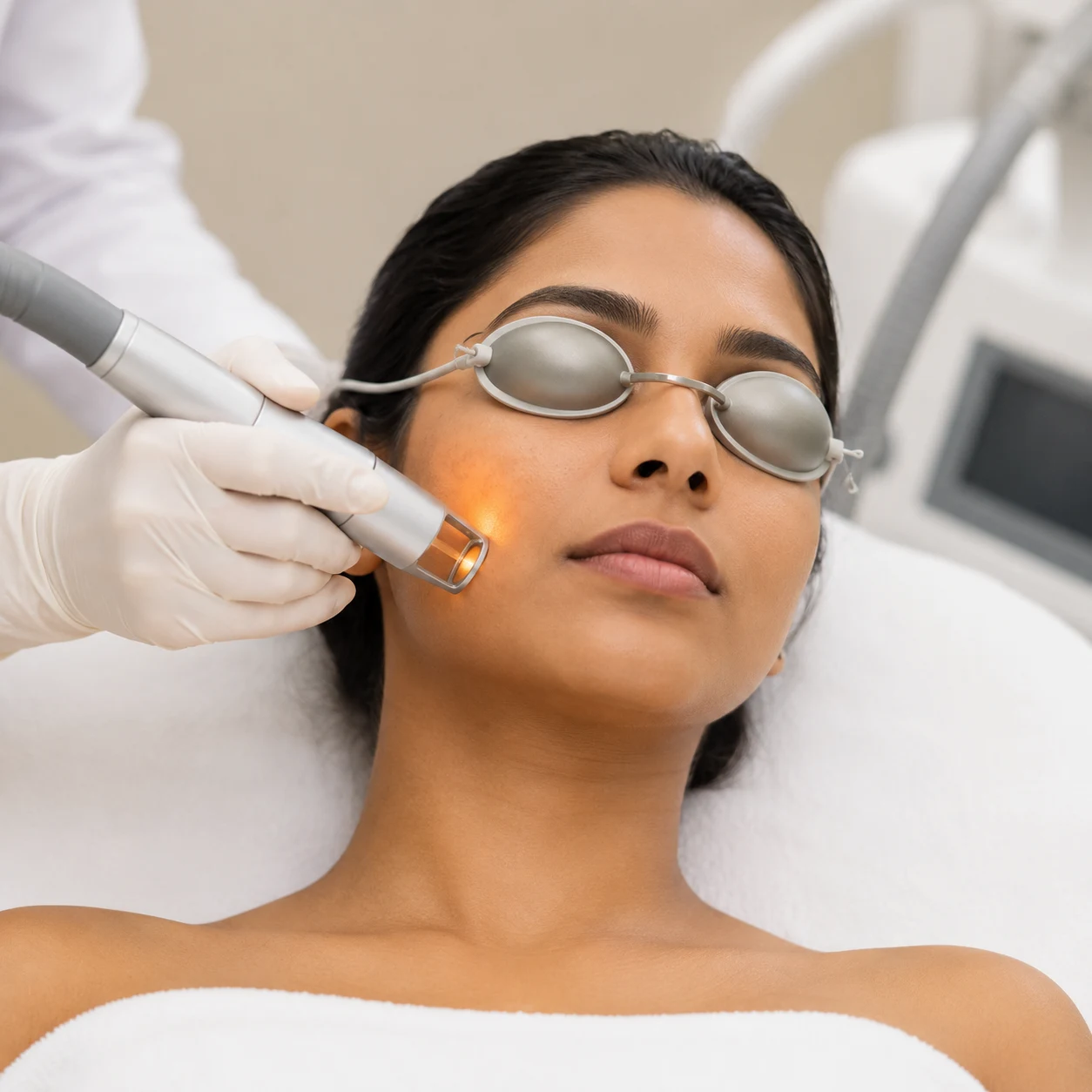
1. Advanced Laser Therapies
- Gold standard for overall skin brightening
- Gradually breaks down deep pigment
- Lower risk of post-laser darkening
- Safer and more effective for Indian skin types
Q-Switched Nd:YAG Laser (Laser Toning)
“If it’s red, it turns brown.” Acne, eczema, cosmetic procedures, or skin injury can trigger melanocyte overactivity.
- Delivers energy in trillionths of a second
- Breaks pigment into microscopic particles without heat damage
- Zero downtime; often called a “lunchtime procedure”
2. Medical Exfoliation (Chemical Peels)
- Superficial peels (Glycolic, Lactic, Melas): For tanning and surface dullness
- Retinol peels: Accelerate cell turnover and fade PIH
3. Medical Management
- Hydroquinone
- Kojic acid
- Arbutin
- Breakthrough treatment for melasma
- Reduces vascular and inflammatory triggers
- Calms pigmentation from within
- Glutathione
- Polypodium leucotomos
Cutis Hospital’s Expert Approach to Pigmentation
- Digital Skin Analysis: UV imaging to determine pigment depth (epidermal vs dermal)
- Combination Protocols: Laser toning + chemical peels + topical therapy
- Safety First: US FDA-approved devices, calibrated for Fitzpatrick skin types III–VI