
Fungal Infection Treatment in Bangalore: Complete Identification, Treatment & Prevention Guide
Introduction
Fungal skin infections affect millions globally and are among the most common dermatological complaints. In Bangalore’s humid tropical climate, fungal infections—such as ringworm, athlete’s foot, yeast infections, and other mycoses, thrive in warm, moist environments.
While some fungal infections may start as mild irritations, untreated cases can progress into persistent, uncomfortable, and sometimes severe conditions. This comprehensive guide explains fungal skin infections in detail and outlines effective treatment options available at Cutis Hospital Bangalore.
Understanding Fungal Skin Infections
Fungal infections occur when pathogenic fungi invade the skin barrier and proliferate in keratin-rich tissues such as skin, hair, and nails. Unlike bacterial or viral infections, fungal infections develop slowly and can persist for months without proper medical treatment.
Early diagnosis and targeted therapy are essential to prevent spread, recurrence, and complications.
Types of Fungal Skin Infections
1. Dermatophyte Infections (Tinea)
These are the most common fungal infections affecting skin, hair, and nails.
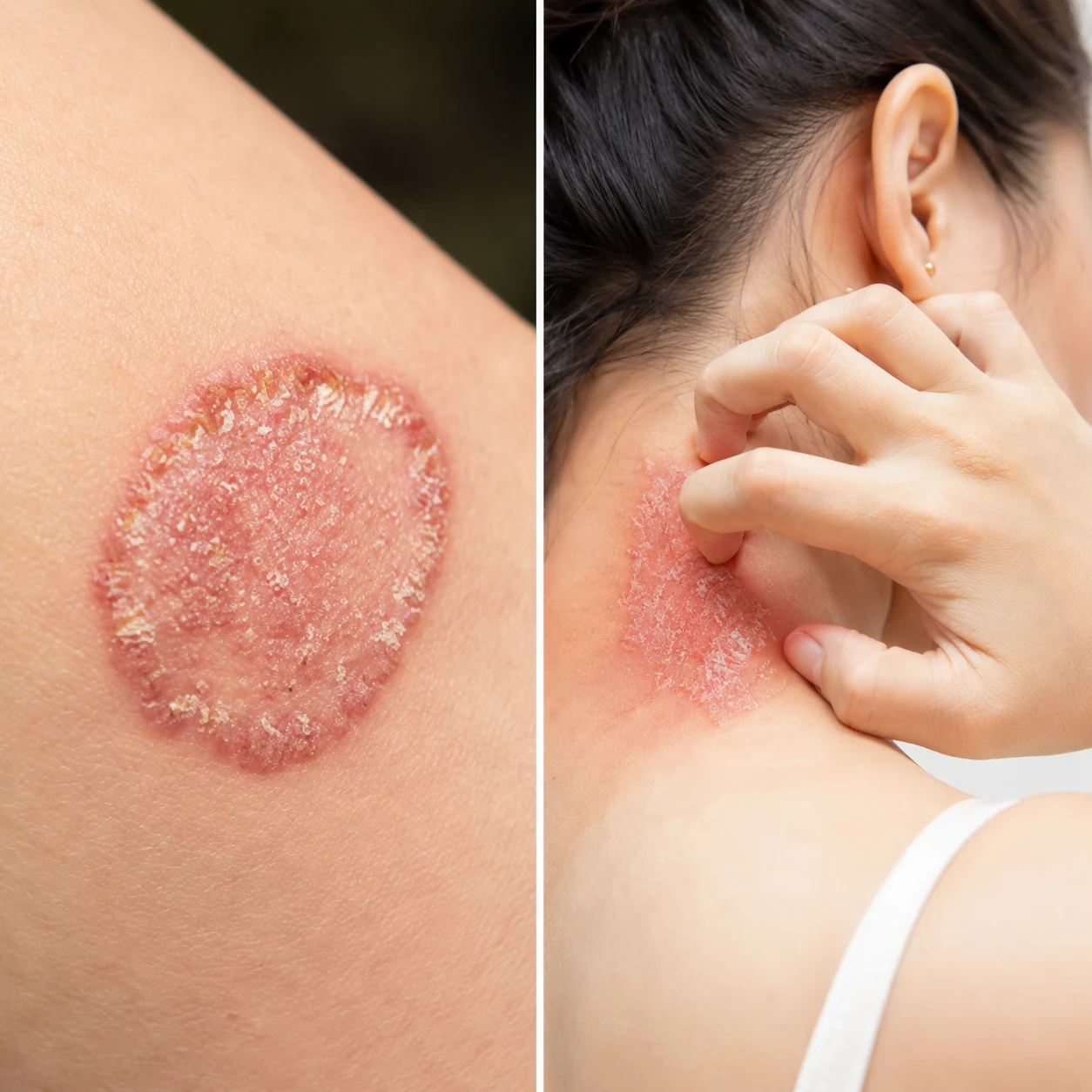
- Tinea corporis (Ringworm): Circular, scaly patches on the body
- Tinea pedis (Athlete’s foot): Infection between toes and soles
- Tinea cruris (Jock itch): Groin and inner thigh involvement
- Tinea capitis: Scalp infection affecting hair follicles
- Tinea unguium (Nail fungus): Thickened, discolored, brittle nails
2. Yeast Infections (Candida)
Commonly affect moist areas of the body.
- Skin fold infections (intertrigo)
- Oral thrush
Typical features include:
- Red, inflamed patches
- Satellite lesions around main rash
- White coating in affected areas
3. Other Fungal Infections
- Pityriasis versicolor: Caused by Malassezia species
- Pityriasis rosea
- Tinea barbae: Fungal infection of the beard area
Recognizing Fungal Infection Symptoms
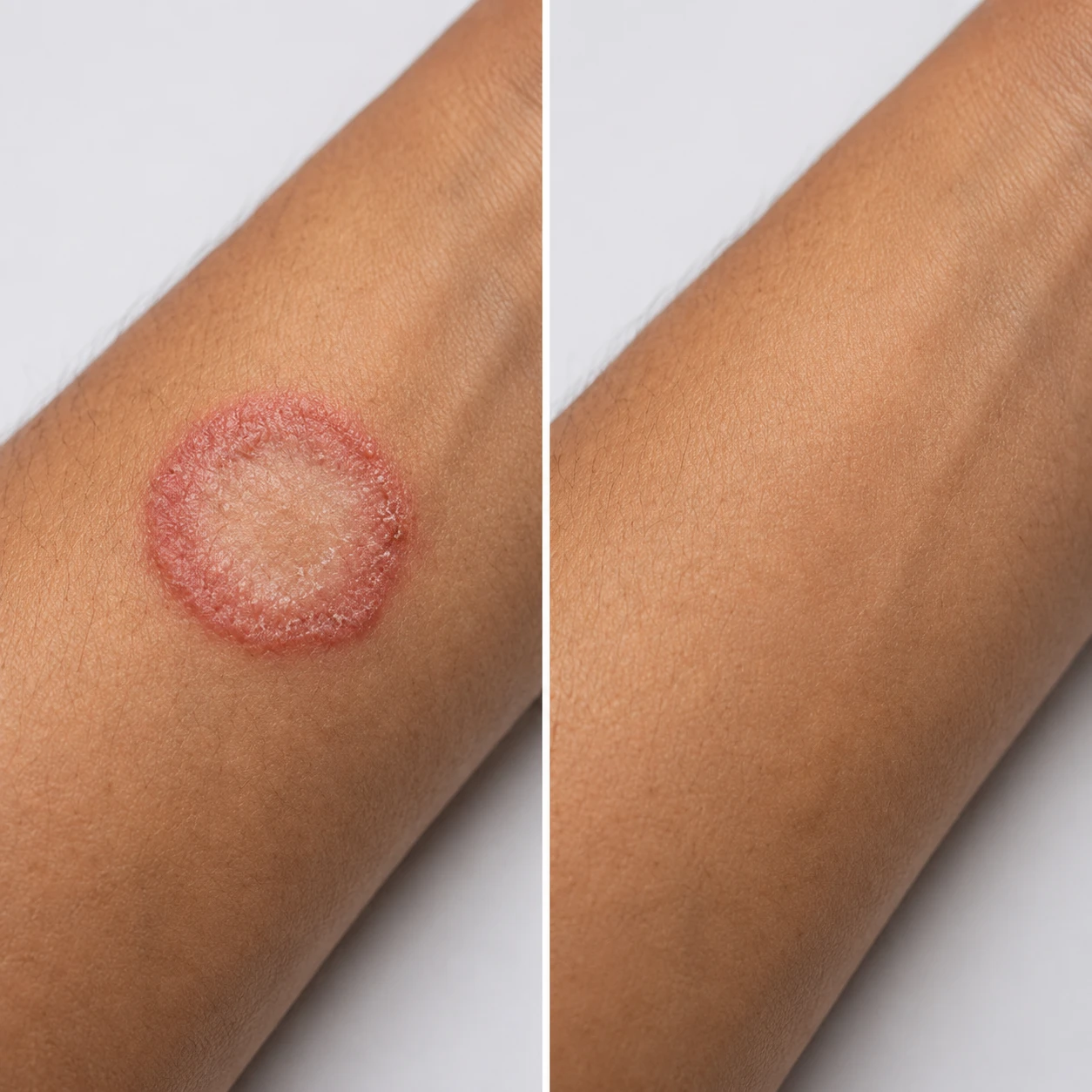
Early identification helps prevent complications. Common symptoms include:
- Redness and inflammation
- Intense itching (worse in moist conditions)
- Scaly or cracked skin with sharp borders
- White or discolored patches
- Thickened, brittle, or discolored nails
- Patchy hair loss (scalp involvement)
- Burning sensation
- Oozing or weeping in severe cases
Risk Factors & Causes
Understanding risk factors helps reduce recurrence:
- Warm, moist environments (sweating, humidity)
- Poor hygiene and shared facilities
- Diabetes, HIV, or weakened immunity
- Prolonged antibiotic use
- Skin injuries or abrasions
- Sharing towels, shoes, or bedding
- Public spaces like pools, gyms, and showers
- Genetic susceptibility
Fungal Infection Treatment at Cutis Hospital Bangalore
1. Topical Antifungal Treatments
First-line therapy for mild to moderate infections
Common medications include:
- Azoles: Clotrimazole, miconazole, ketoconazole
- Allylamines: Terbinafine (highly effective for dermatophytes)
- Others: Tolnaftate, undecylenic acid
Usage:
Applied 1–2 times daily for at least 2–4 weeks, even if symptoms improve earlier.
Formulation Selection
- Creams: Body areas
- Ointments: Resistant infections
- Others: Tolnaftate, undecylenic acid
- Medicated shampoos: Scalp involvement
2. Oral Antifungal Medications
Used for severe, widespread, or resistant infections.
- Terbinafine: Fast-acting for dermatophyte infections
- Fluconazole: Effective for Candida and some dermatophytes
- Itraconazole: Broad-spectrum with deep tissue penetration
- Griseofulvin: Reserved for severe nail or scalp infections
3. Combination Therapy
For complex cases, dermatologists may combine treatments:
- Topical + oral antifungals
- Nail trimming and polish removal with systemic therapy
- Antibacterial solutions for secondary infections
- Medicated shampoos: Scalp involvement
4. Advanced Treatments
Laser Therapy (For Resistant Nail Fungus)
- Targets fungal elements without harming healthy tissue
- Multiple sessions required
- Higher success when started early
Microneedling with Antifungals (Emerging Option)
- Improves penetration of topical medications
- Useful in stubborn or recurrent infections
Home Care & Supportive Measures
Medical treatment is essential, but supportive care speeds recovery.
Natural Antifungal Support
- Tea tree oil (diluted)
- Coconut oil
- Neem leaf washes
- Apple cider vinegar (diluted)
- Turmeric paste
- Oregano oil (diluted)
(These support treatment but do not replace medical therapy.)
Hygiene & Prevention Measures
- Keep affected areas clean and dry
- Wash towels and bedding in hot water
- Trim nails regularly
- Avoid sharing personal items
- Wear breathable clothing
- Clean bathrooms and shower floors regularly
Long-Term Prevention Strategies
- Maintain strict foot hygiene
- Alternate footwear to allow drying
- Avoid barefoot walking in public areas
- Control diabetes and immune conditions
- Include antifungal foods in diet
- Use antifungal powders if prone to recurrence
Why Choose Cutis Hospital for Fungal Infection Treatment in Bangalore?
Expert Diagnosis
- Microscopy and fungal culture testing
- Accurate differentiation from bacterial or allergic conditions
Comprehensive Treatment Plans
- Topical, oral, and advanced therapies
- Laser treatment for resistant nail fungus
- Recurrence prevention strategies
Experienced Dermatologists
- Expertise in recurrent and resistant infections
- Evidence-based, personalized protocols
State-of-the-Art Facility
- Modern diagnostics
- Latest antifungal medications
- Hygienic, patient-friendly environment
Conclusion
Fungal skin infections are common but highly treatable with accurate diagnosis and proper management. In Bangalore’s humid climate, early treatment and preventive care are crucial to avoid complications and recurrence.
Frequently Ask Question
We use only the best quality materials on the market in order to provide the best products to our patients.
Topical treatment usually takes 2–4 weeks. Oral therapy may take 4–12 weeks. Nail infections may require longer.
Yes. Recurrence is common without preventive care and hygiene maintenance.
Yes. They spread through direct contact and shared items.
If infection spreads, doesn’t improve in 2–3 weeks, affects nails or scalp, or if immunity is compromised.
Mild cases may respond, but persistent or severe infections require prescription treatment.