
Say Goodbye to Acne Scars: Everything You Need to Know About Fractional
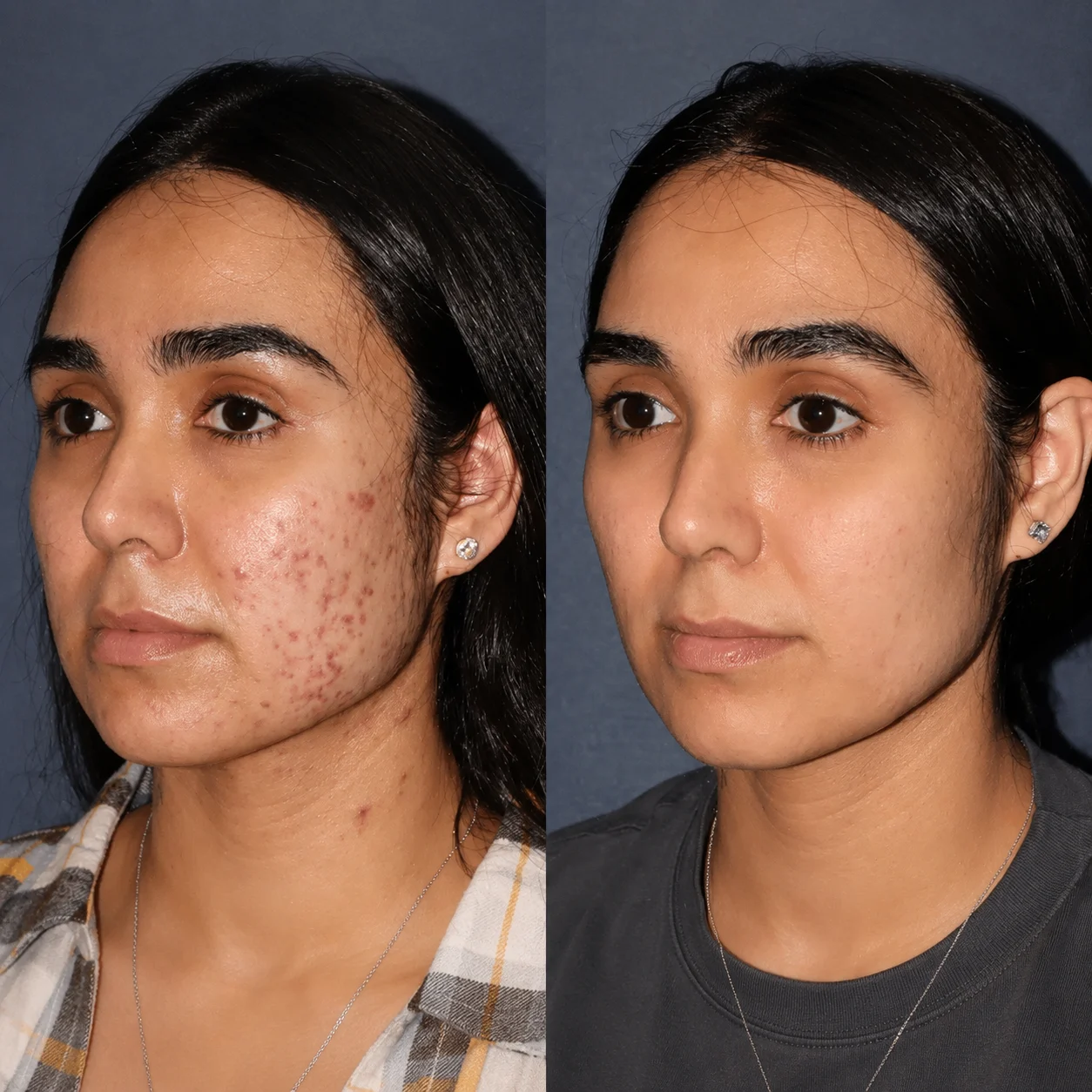
CO2 Laser Treatment
Are you tired of relying on heavy makeup or social media filters to conceal persistent acne scars? Dealing with uneven skin texture can take a toll on your self-esteem, but hiding behind temporary fixes isn’t your only option. If you are searching for a long-term, restorative solution to smooth out textured skin, Fractional CO2 Laser Treatment offers an advanced, clinically proven approach to renew your skin and restore your natural glow.
What is Fractional CO2 Laser Treatment?
Fractional CO2 laser therapy is a cutting-edge dermatological procedure designed to resurface damaged skin at a deeper layer. The technology utilizes focused light energy to create thousands of microscopic thermal injuries across the targeted area. Because the laser treats only a fraction of the skin surface at a time—leaving micro-zones of surrounding tissue intact—the body’s natural healing process is rapidly triggered.
This controlled microscopic injury stimulates robust collagen and elastin production. Collagen is the essential structural protein responsible for firm, smooth skin. As the new collagen remodels the dermal matrix over the following weeks and months, it naturally fills in pitted areas, rebuilding smoother tissue and significantly improving the appearance of deep acne scars, fine lines, enlarged pores, and overall skin texture.
What Happens During the Procedure?
A typical in-clinic session is straightforward, safe, and tailored to prioritize patient comfort throughout every step:
Preparation & Numbing: Before the laser touches your skin, a topical numbing cream is evenly applied to the face. You will rest comfortably for about 45 minutes to allow the anesthetic to take full effect and minimize any sensation during the treatment.
Laser Application: Once the skin is properly numbed, the practitioner precise-glides the laser device across the treatment zones. The actual laser procedure takes approximately 30 to 40 minutes, depending on the size and severity of the targeted area
Post-Care Application: Immediately following the laser pass, soothing post-procedure creams and barrier ointments are applied to calm the skin, reduce initial inflammation, and jumpstart the healing cycle.
Recovery & Essential Precautions
Proper post-treatment care is vital to ensure maximum scar reduction and avoid unwanted side effects like hyperpigmentation:
Strict Sun Protection: Your skin will be extra sensitive after laser resurfacing. Diligent sun avoidance, wearing protective hats, and using broad-spectrum sunscreen are mandatory post-treatment.
Post-Laser Ointments: Stick strictly to your dermatologist’s routine. Apply only prescribed healing ointments to keep the skin hydrated and protected.
Expected Healing Timeline: It is normal to experience mild redness and a sunburn-like warmth for 2 to 3 days. Over the next few days, tiny brown dots (micro-scabs) will form as the old skin layers prepare to shed. These will naturally flake off within 6 to 7 days, revealing fresh, smooth skin underneath. Never pick or scratch these scabs.
How Many Sessions Do You Need?
While individual needs vary depending on scar depth and skin type, most patients achieve optimal results with a series of 4 to 6 sessions spaced several weeks apart. However, skin improvement is cumulative—you can expect to see progressive enhancements in texture, tone, and scar shallowing even after your very first session.
Take the Next Step
Ready to ditch the filters and reclaim your skin’s confidence? Consult a qualified dermatologist to find out if Fractional CO2 laser therapy is the right choice for your skin goals.
Frequently Ask Question
We use only the best quality materials on the market in order to provide the best products to our patients.
Yes, it can contribute to hair loss in some people, but it is often one of several underlying factors.
Decrease in shedding is gradual and noticeable improvement may take 3–6 months, depending on the cause and individual response.
Not without a blood test and medical advice. Excess vitamin D can be harmful. Taking large amounts of D3 can cause nausea, vomiting, dehydration and constipation. Supplements should be taken after consultation with your healthcare provider.
If you notice excessive hair shedding, thinning, or patchy hair loss that persists for several weeks, consult a dermatologist for proper evaluation and treatment.