
Chemical Peels: Benefits, Types, Risks and Who Can Consider Them
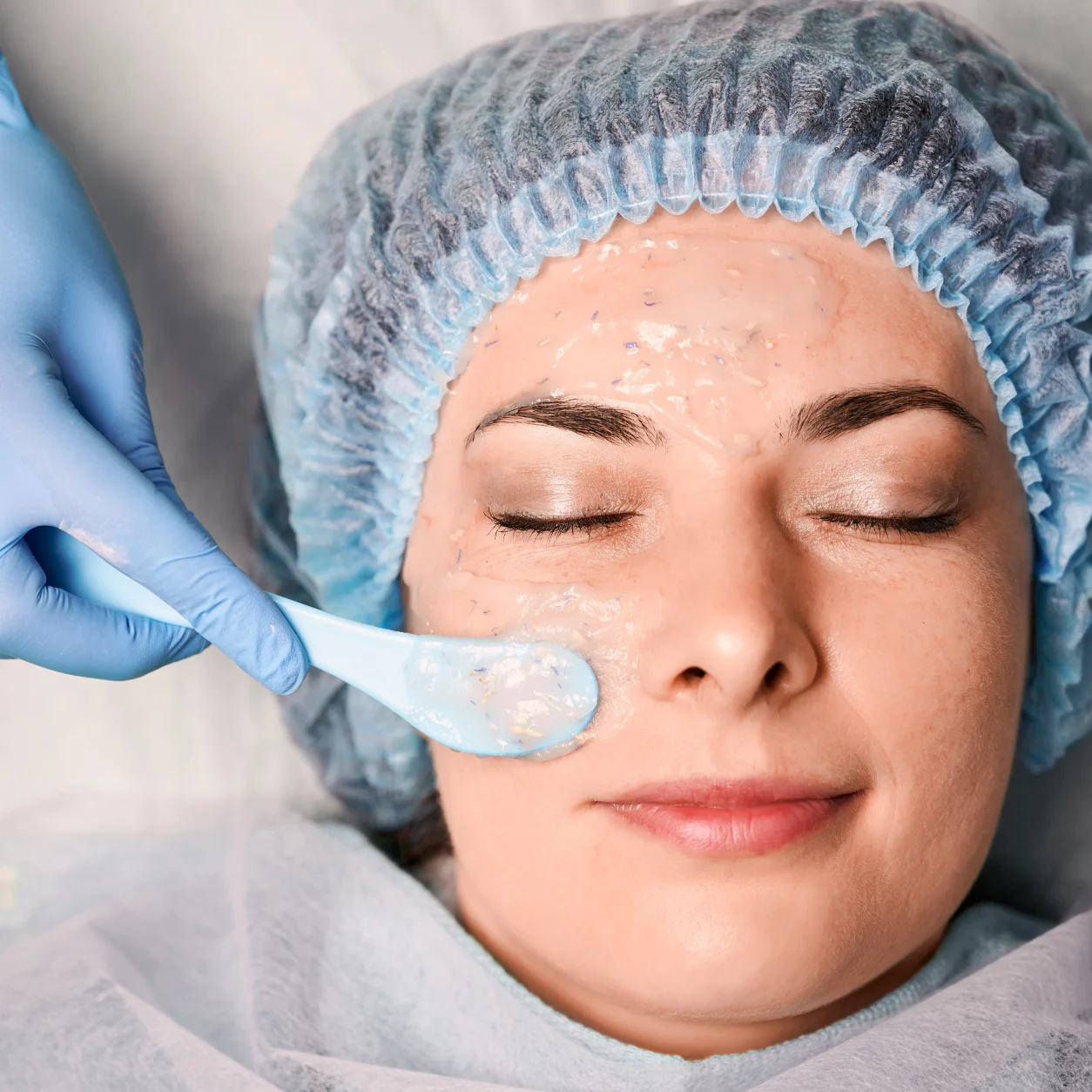
Healthy, radiant skin is often associated with an even skin tone, smooth texture and a fresh appearance. However, concerns such as acne, pigmentation, uneven skin tone, fine lines and sun damage can affect the way your skin looks and feels. Chemical peels are one of the dermatological treatments that can help improve several of these concerns by removing damaged outer layers of the skin and encouraging the skin renewal process.
What Is a Chemical Peel?
A chemical peel is a dermatological procedure in which a specially selected chemical solution is applied to the skin for a controlled period. Depending on the type and strength of the peel, it works at different depths of the skin to exfoliate damaged cells.
The treatment can be customized according to an individual’s skin type, concern and desired outcome. A dermatologist evaluates the skin before recommending the appropriate peel.
Benefits of Chemical Peels
Chemical peels may be recommended for several common skin concerns. Potential benefits include:
- Improving uneven skin tone and mild pigmentation
- Helping reduce the appearance of certain acne marks and superficial scars
- Improving rough or uneven skin texture
- Managing some types of acne
- Reducing the appearance of fine lines caused by sun damage and aging
- Giving the skin a smoother and more refreshed appearance
- Supporting overall skin renewal
Results vary depending on the individual’s skin condition, the type of peel used and the number of sessions recommended.
Types of Chemical Peels
Chemical peels are generally categorized according to how deeply they penetrate the skin.
Superficial peels work primarily on the outermost layer of the skin and are commonly used for concerns such as mild pigmentation, dullness, uneven texture and certain types of acne.
Medium-depth peels penetrate deeper into the skin and may be considered for more noticeable pigmentation, sun damage, fine lines and selected acne scars. These treatments generally require more recovery than superficial peels.
Deep peels reach deeper layers of the skin and are used selectively for specific skin concerns. They require careful medical evaluation and a longer recovery period.
The choice of peel should always be determined by a qualified dermatologist rather than based solely on the product name or concentration.
Are Chemical Peels Safe?
When performed by a qualified dermatologist using an appropriate formulation and technique, chemical peels can be a useful treatment option. However, temporary redness, dryness, peeling, sensitivity or irritation may occur after treatment.
Inappropriate use or excessively strong peels can increase the risk of burns, prolonged pigmentation changes, scarring or other complications. This is particularly important for individuals with darker skin tones, where post-inflammatory pigmentation can occur more easily.
Who Can Consider a Chemical Peel?
Chemical peels may be considered by people experiencing concerns such as acne, uneven pigmentation, dull skin, superficial acne marks, rough texture or mild signs of sun damage. However, not every skin type or condition is suitable for every peel.
A dermatologist should assess your skin, medical history, current skincare products and specific concerns before recommending treatment.
Takeaway
Chemical peels can be an effective part of a personalized skincare treatment plan when the right peel is selected and performed under professional supervision. Consult a dermatologist at Cutis Hospital to understand whether a chemical peel is appropriate for your skin and which treatment approach may suit your individual needs.
Frequently Ask Question
We use only the best quality materials on the market in order to provide the best products to our patients.
Chemical peels can be used for many different skin types, but the type and strength of the peel should be selected based on your skin type, condition and specific concern. A dermatologist can assess your skin and recommend the most appropriate option.
The number of sessions depends on the skin concern, type of peel and individual response to treatment. Some people may notice improvement after one session, while others may require a series of treatments for more noticeable results.
Downtime varies depending on the type and depth of the peel. Superficial peels may cause mild redness, dryness or peeling for a few days, while deeper peels can require a longer recovery period. Your dermatologist will provide specific aftercare instructions.
Certain chemical peels may help manage acne, mild pigmentation, uneven skin tone and superficial acne marks. However, the appropriate peel depends on the underlying cause and severity of the concern.
Temporary redness, dryness, irritation, sensitivity and peeling can occur after treatment. If a peel is used incorrectly or is too strong for the skin, there may be a higher risk of burns, pigmentation changes or scarring. Professional assessment and treatment are therefore important.