
Blackheads vs. Whiteheads: Differences, Treatments, and Prevention
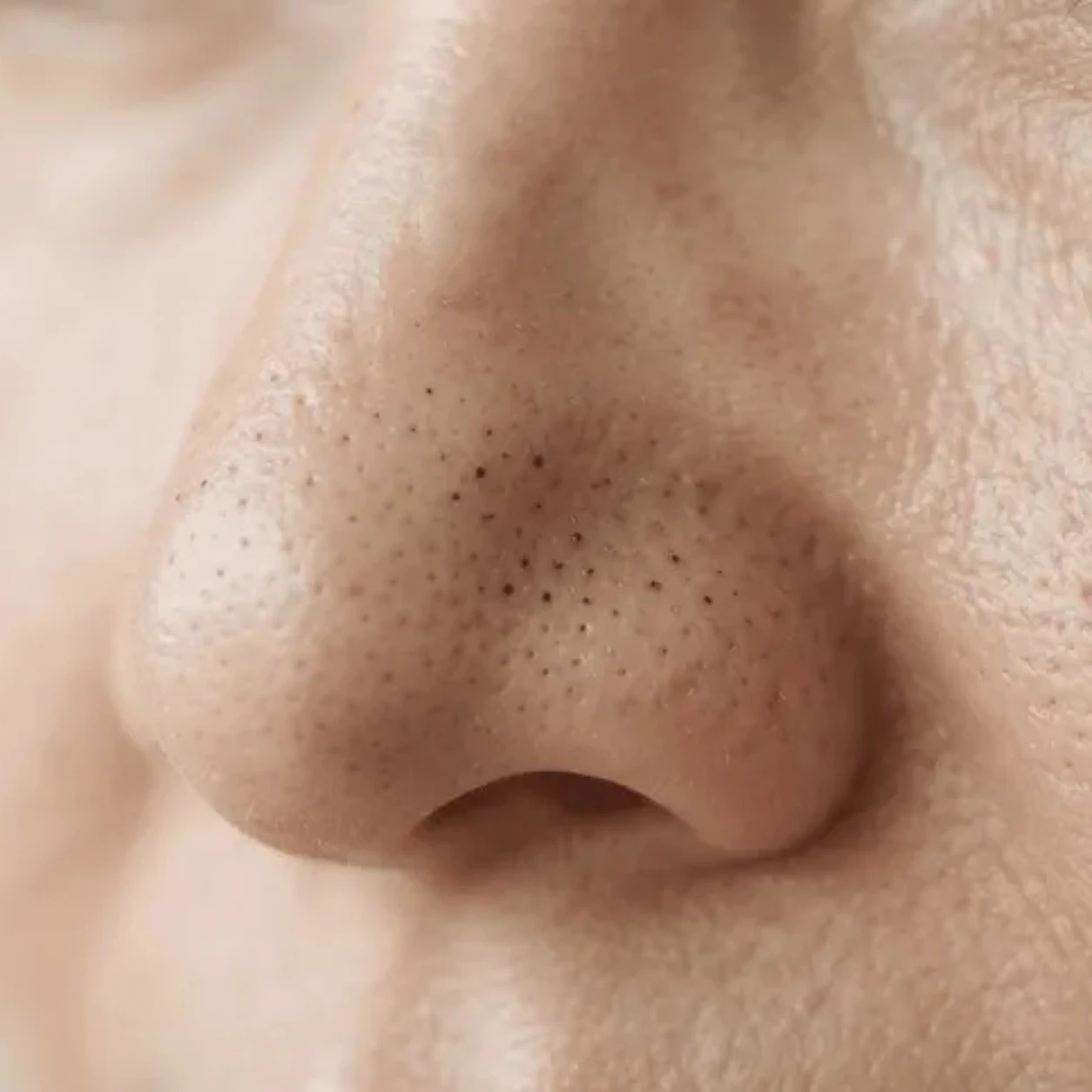
Struggling with persistent blackheads and whiteheads? Understanding how these common forms of acne develop is the key to effectively clearing your skin.
What is the Difference Between Blackheads and Whiteheads?
Both blackheads and whiteheads occur when pores become clogged with excess oil (sebum), dead skin cells, and bacteria. However, their appearance differs based on air exposure.
- Blackheads (Open Comedones): These form when clogged pores remain open at the surface. Exposure to air oxidizes the trapped oil and dead skin cells, turning the top layer black.
- Whiteheads (Closed Comedones): These occur when clogged pores are sealed over by a thin layer of skin. Because the contents are protected from oxygen, they maintain a whitish or skin-colored appearance.
- Refines Skin Texture: Smoothens out rough texture, dullness, and acne scarring.
Common Affected Areas:
- Forehead and Nose (T-zone)
- Chin and Cheeks
- Chest and Back
Professional Dermatologist Treatments for Comedones
For stubborn or widespread comedones, professional in-clinic procedures provide targeted and effective relief:
- Hydrafacial:Uses vacuum-assisted technology to extract pore buildup while infusing the skin with hydrating, nourishing serums for an immediate glow.
- Professional Extraction:IManual removal of comedone contents performed by a trained specialist, safely clearing pores without causing inflammation.
- Chemical Peels: ormulated with exfoliating acids (such as Salicylic or Glycolic Acid) to dissolve dead skin cells and regulate excessive oil production.
- Hollywood Peel (Carbon Laser Toning): Applies a carbon layer followed by laser energy to target deep oiliness, calm skin inflammation, reduce active acne, and smooth overall texture.
Lifestyle Tips and Prevention Guidelines
In addition to targeted treatments, daily habits play a major role in keeping skin clear:
- Diet & Hydration : Eat nutritionally balanced meals and drink plenty of water daily to support skin health.
- Stress Management & Sleep : Prioritize 7–9 hours of quality sleep and manage stress levels to help regulate hormone-driven oil production.
- Avoid Squeezing: Pro Tip : Never squeeze or pop blackheads and whiteheads at home. Forceful popping ruptures the pore wall underneath, pushing bacteria deeper, increasing inflammation, and raising the risk of permanent scarring.
Frequently Ask Question
We use only the best quality materials on the market in order to provide the best products to our patients.
Squeezing comedones manually without professional tools or technique ruptures the follicle wall beneath the skin. This spreads bacteria and inflammation deeper into the surrounding tissue, leading to worse breakouts and severe, long-lasting scarring.
It depends on your primary skin concern. Hydrafacials are ideal if you want gentle, instant hydration along with manual extraction of surface debris. Chemical peels are better suited for deep oil regulation, severe pore clogging, and persistent acne.
Treatments like Hydrafacials provide immediate clarity and a smooth texture. However, long-term reduction in blackheads and whiteheads usually requires a structured routine of periodic treatments and consistent home care over 4 to 8 weeks.