
Hair Transplants for Different Stages of Baldness: What You Need to Know
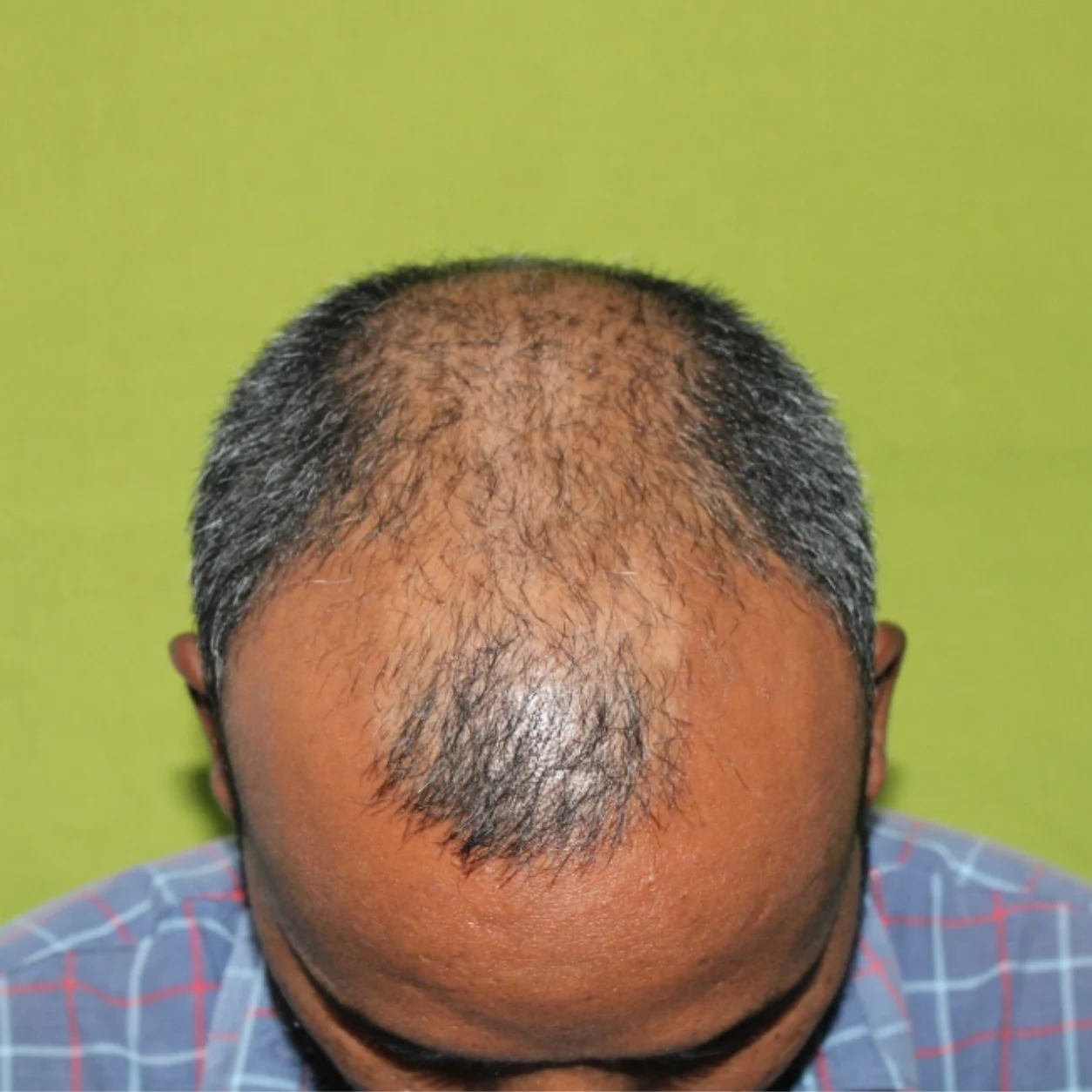
While hair fall is a common concern that affects both men and women, balding is a serious problem and decreasing density, recession of hair line should definitely warrant a dermatologist consultation. While some people notice mild thinning, others may experience significant baldness over time.
A hair transplant is one of the most effective and long-lasting solutions for restoring hair, but the approach varies depending on the stage of hair loss. Understanding how hair transplantation works for different stages of baldness can help you make an informed decision.
Understanding the Stages of Baldness
Male pattern baldness is commonly classified using the Norwood Scale , while female hair loss is often assessed using the Ludwig Scale. These scales help dermatologists determine the extent of hair loss and recommend the most suitable treatment plan.
Hair transplantation is generally considered when hair loss has stabilized and there is enough healthy donor hair available, usually from the back or sides of the scalp.
Early Stage Baldness (Mild Hairline Recession and Thinning)
In the early stages, hair loss is usually limited to a receding hairline or mild thinning at the temples or crown. A hair transplant can restore a natural-looking hairline, improve hair density in thinning areas, and reduce the appearance of advanced baldness. When performed on suitable candidates, it provides natural-looking, long-lasting results.
However, not everyone with early hair loss needs surgery immediately. A dermatologist may first recommend medical treatments to slow further hair loss before considering a transplant.
Moderate Baldness (Visible Hair Loss)
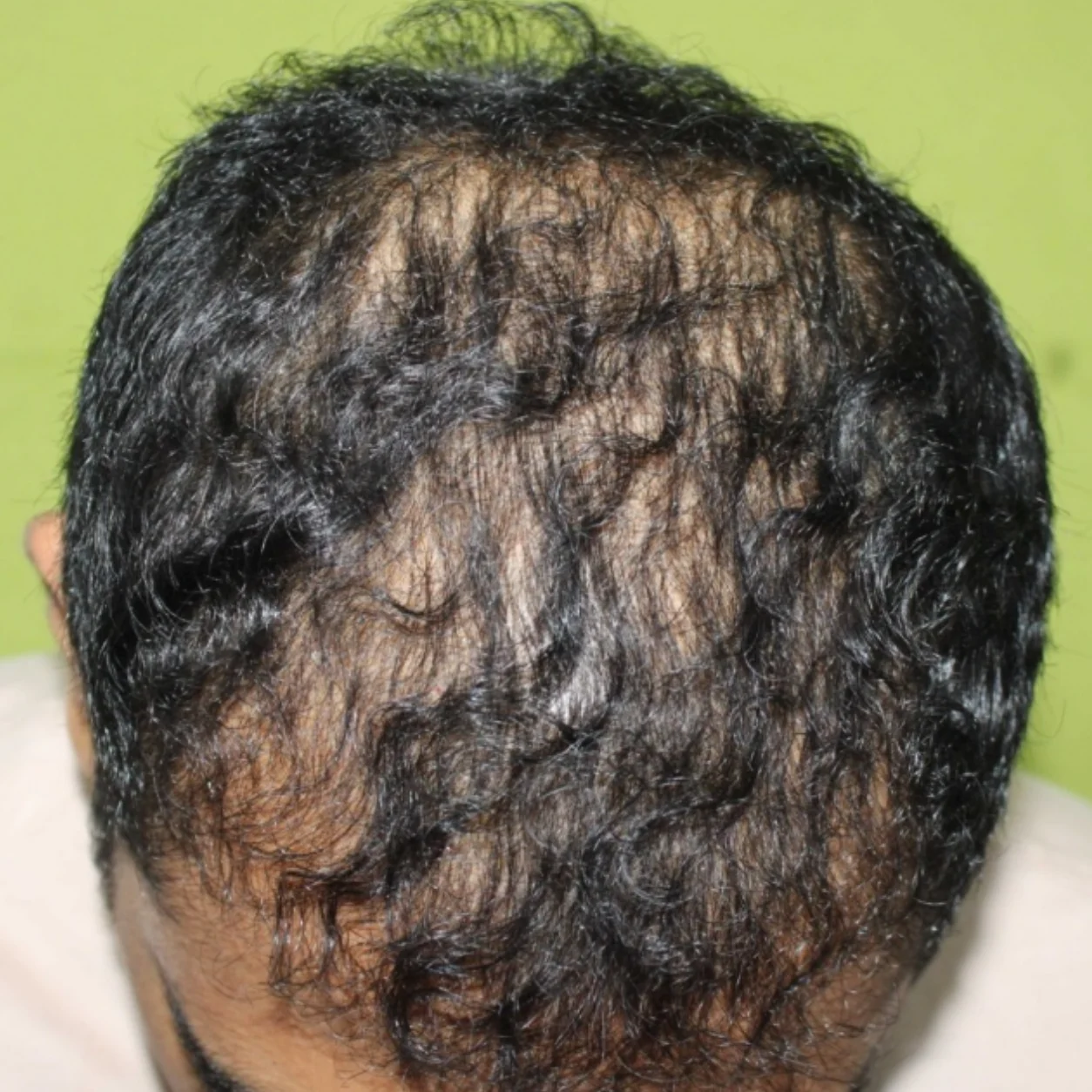
At this stage, hair loss becomes more noticeable, with larger bald patches on the crown and deeper recession at the front.
Hair transplantation is often highly effective for moderate baldness because in cases of moderate baldness, there is usually an adequate supply of donor hair to achieve good coverage and density in the affected areas. This stage also allows dermatologists to design a natural-looking hairline, resulting in balanced and aesthetically pleasing outcomes.
Depending on the size of the treatment area, the procedure may require a single session or multiple sessions to achieve the desired coverage.
Advanced Baldness (Extensive Hair Loss)
People with advanced baldness have significant hair loss across the front, mid-scalp, and crown. While a hair transplant can still provide excellent improvement, treatment planning becomes more important.
In advanced cases, dermatologists carefully evaluate the amount and quality of donor hair, size of the bald area, patient expectations, future progression of hair loss.
Since donor hair is limited, priority is often given to restoring the frontal hairline and front scalp, as these areas have the greatest impact on facial appearance. Crown coverage may be planned in a later session if enough donor hair is available.
Hair Transplants for Women
Women usually experience diffuse thinning rather than complete bald patches. Hair transplantation may be suitable for women with localized thinning, stable hair loss, or hairline recession.
A detailed scalp evaluation is essential because not all types of female hair loss are suitable for transplantation. Treating the underlying cause first is often recommended before considering surgery.
Is There an Ideal Time for a Hair Transplant?
The best time for a hair transplant depends on several factors rather than age alone. Dermatologists evaluate:
- Stability of hair loss
- Donor hair availability
- Overall scalp health
- Medical history
- Future risk of continued hair loss
Undergoing the procedure too early may require additional treatments later if hair loss continues. A personalized treatment plan ensures natural and long-lasting results.
What Results Can You Expect?
Hair transplant results develop gradually. Transplanted hairs typically shed within the first few weeks, followed by new growth over the next few months. Most patients notice visible improvement by 6–9 months, with final results usually seen around 12 months.
The success of the procedure depends on proper patient selection, surgical technique, donor hair quality, and following post-procedure care instructions.
Conclusion
Hair transplantation can be an effective solution for various stages of baldness, from mild hairline recession to advanced hair loss. The treatment approach differs based on the extent of baldness, donor hair availability, and individual goals. A thorough evaluation by a qualified dermatologist helps determine whether a hair transplant is the right option and ensures a treatment plan tailored to your specific needs.
Frequently Ask Question
We use only the best quality materials on the market in order to provide the best products to our patients.
Hair transplantation can help many stages of baldness, but the results depend on donor hair availability and the extent of hair loss.
Transplanted hair follicles are generally permanent because they are taken from areas resistant to hair loss. However, existing natural hair may continue to thin over time.
The number of grafts varies based on the size of the bald area, hair density, and individual treatment goals.
Yes, but dermatologists usually recommend waiting until the pattern of hair loss becomes more stable to achieve better long-term results.
When performed by experienced specialists with proper hairline planning, transplanted hair can blend naturally with existing hair.