
Melasma vs. Hyperpigmentation: Understanding the Difference
Introduction
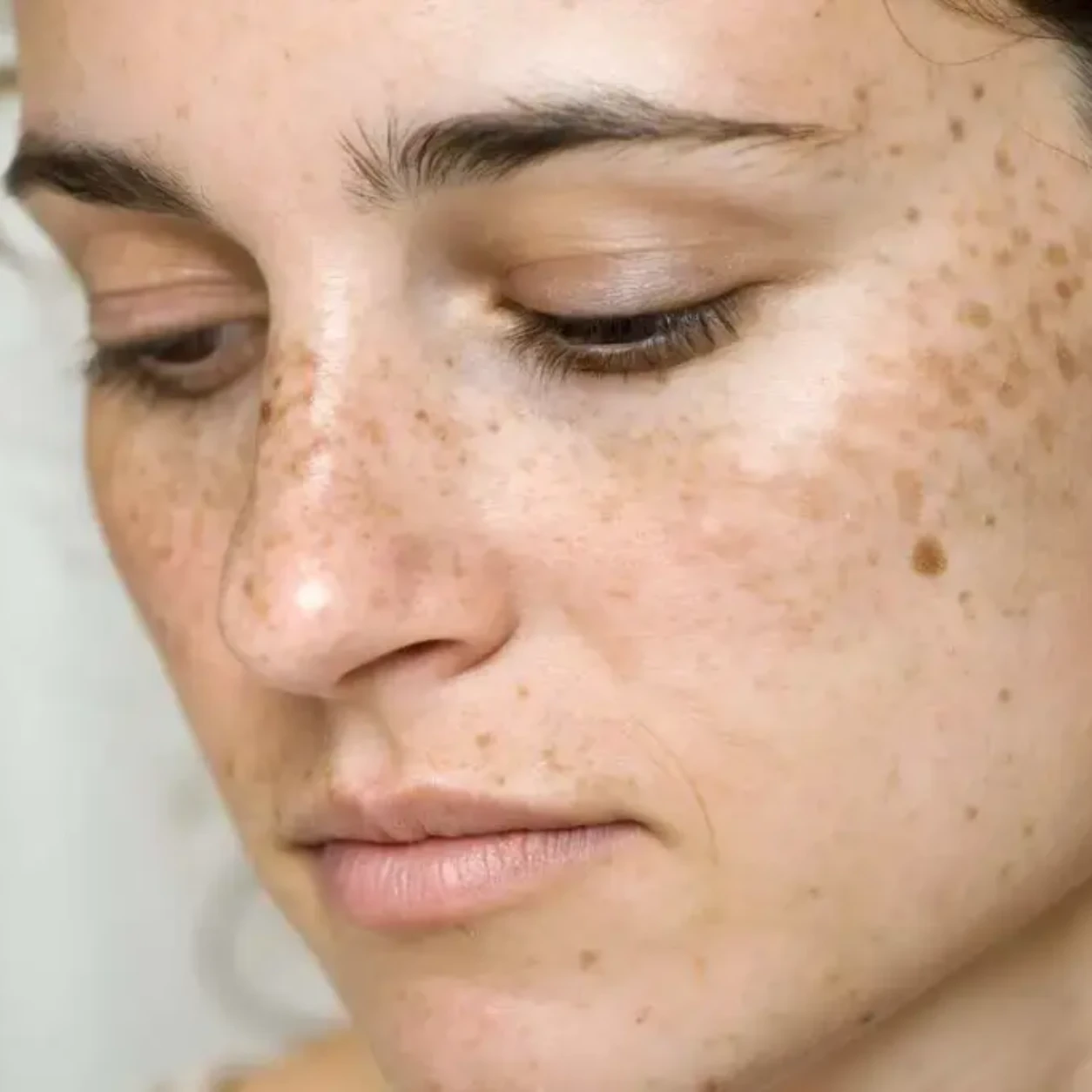
Dark patches, uneven skin tone, and persistent pigmentation can develop due to sun exposure, hormonal changes, acne, or skin irritation. Two common terms associated with these concerns are melasma and hyperpigmentation.
Hyperpigmentation is a broad term for darker areas of skin, while melasma is a specific type of hyperpigmentation that commonly causes symmetrical facial patches.
Understanding the difference can help you choose suitable skincare and treatment options.
Table of Contents
- 1. What Is Hyperpigmentation?
- 2. What Is Melasma?
- 3. Key Differences
- 4. Common Causes
- 5. Treatment Options
- 6. Prevention Tips
- 7. Frequently Asked Questions
- 8. Conclusion
1. What Is Hyperpigmentation?
Hyperpigmentation occurs when certain areas of skin become darker than the surrounding skin due to increased melanin production, the pigment responsible for skin colour.
Common types include:
- Post-inflammatory hyperpigmentation: Dark marks left after any skin inflammation like acne, eczema, or skin injuries.
- Sunspots: Flat brown spots associated with cumulative sun exposure.
- Melasma: Brown or grey-brown patches commonly appearing on the face.
- Friction-related pigmentation: Darkening caused by repeated rubbing or irritation.
Treatment depends on the underlying cause.
2. What Is Melasma?
Melasma is a pigmentation condition characterised by brown or grey-brown patches, usually on sun-exposed areas of the face.
It commonly affects the cheeks, forehead, upper lip, chin, and nose. The patches often appear symmetrically on both sides of the face.
Common triggers include:
- Ultraviolet and visible-light exposure
- Hormonal changes, including pregnancy
- Genetic predisposition
- Certain hormonal medications
Melasma may persist or recur, making consistent sun protection and long-term management important.
3. Melasma vs. Hyperpigmentation: Key Differences
| Feature | Melasma | Hyperpigmentation |
|---|---|---|
| Definition | Specific pigmentation disorder | Broad term for darker skin areas |
| Appearance | Often symmetrical facial patches | Dark spots or uneven skin tone |
| Common causes | Sun exposure, hormones, genetics | Acne, inflammation, sun exposure, friction |
| Duration | Often persistent or recurrent | Depends on the underlying cause |
| Treatment | Tailored, ongoing management | Depends on the pigmentation type |
In simple terms, all melasma is hyperpigmentation, but not all hyperpigmentation is melasma.
4. Common Causes
Melasma is associated with sunlight, hormonal changes, genetics, and visible-light exposure.
Other types of hyperpigmentation may develop after acne, skin injuries, irritation, or repeated UV exposure. Certain medications and underlying medical conditions can also cause pigmentation changes.
Identifying the cause is essential because different pigmentation concerns require different treatment approaches.
5. Treatment Options for Melasma and Hyperpigmentation
Treatment depends on skin tone, pigmentation depth, medical history, and the likelihood of irritation or recurrence.
- Topical treatments: Dermatologists may recommend azelaic acid, vitamin C, retinoids, or prescription treatments such as hydroquinone when appropriate.
- Chemical peels: Selected peels may improve certain pigmentation concerns, but inappropriate treatment can worsen irritation and dark patches.
- Laser and light-based treatments: These may be suitable for selected cases, but some procedures can aggravate melasma or cause recurrence.
Consult a dermatologist if pigmentation persists or worsens despite these measures.
6. How to Prevent Pigmentation from Worsening
- Apply broad-spectrum sunscreen with SPF 30 or higher daily.
- Reapply sunscreen at least every two hours when outdoors and after swimming or sweating.
- Consider tinted sunscreen containing iron oxides for additional visible-light protection, particularly if you have melasma.
- Wear protective clothing and seek shade during strong sunlight.
- Use gentle skincare products and avoid excessive exfoliation.
- Treat acne and avoid picking or irritating the skin.
- Avoid unregulated skin-lightening products.
Consult a dermatologist if pigmentation persists or worsens despite these measures.
Conclusion
Melasma and hyperpigmentation are related but different. Hyperpigmentation describes various forms of skin discolouration, while melasma typically causes symmetrical brown or grey-brown facial patches.
Consistent sun protection, gentle skincare, and appropriate treatment can help manage pigmentation. If dark patches persist or worsen, consult a dermatologist for an accurate diagnosis and personalised care.
Explore CUTIS dermatology services to learn more about professional care for skin concerns.
Medical disclaimer: This article is for educational purposes only and does not replace professional medical advice, diagnosis, or treatment.
Frequently Ask Question
We use only the best quality materials on the market in order to provide the best products to our patients.
No. Hyperpigmentation is a broad term for darker skin areas, while melasma is a specific pigmentation condition that commonly affects the face.
Melasma may improve with treatment, but it can recur. Long-term management and sun protection are often necessary.
Yes. Broad-spectrum sunscreen helps reduce UV-related pigmentation. Tinted sunscreen containing iron oxides may also help protect against visible light.
Yes. Acne-related inflammation can leave dark marks known as post-inflammatory hyperpigmentation.
Treatment varies by individual. A dermatologist may recommend sun protection, topical medications, or selected procedures based on your skin and pigmentation.
Certain peels may help, but the appropriate type and strength depend on your skin. Aggressive treatments can worsen pigmentation, particularly in darker skin tones.
Melasma is generally a benign pigmentation condition. However, new or changing dark patches should be assessed by a dermatologist to confirm the diagnosis.