
Why Does Dandruff Increase During the Rainy Season?
Introduction
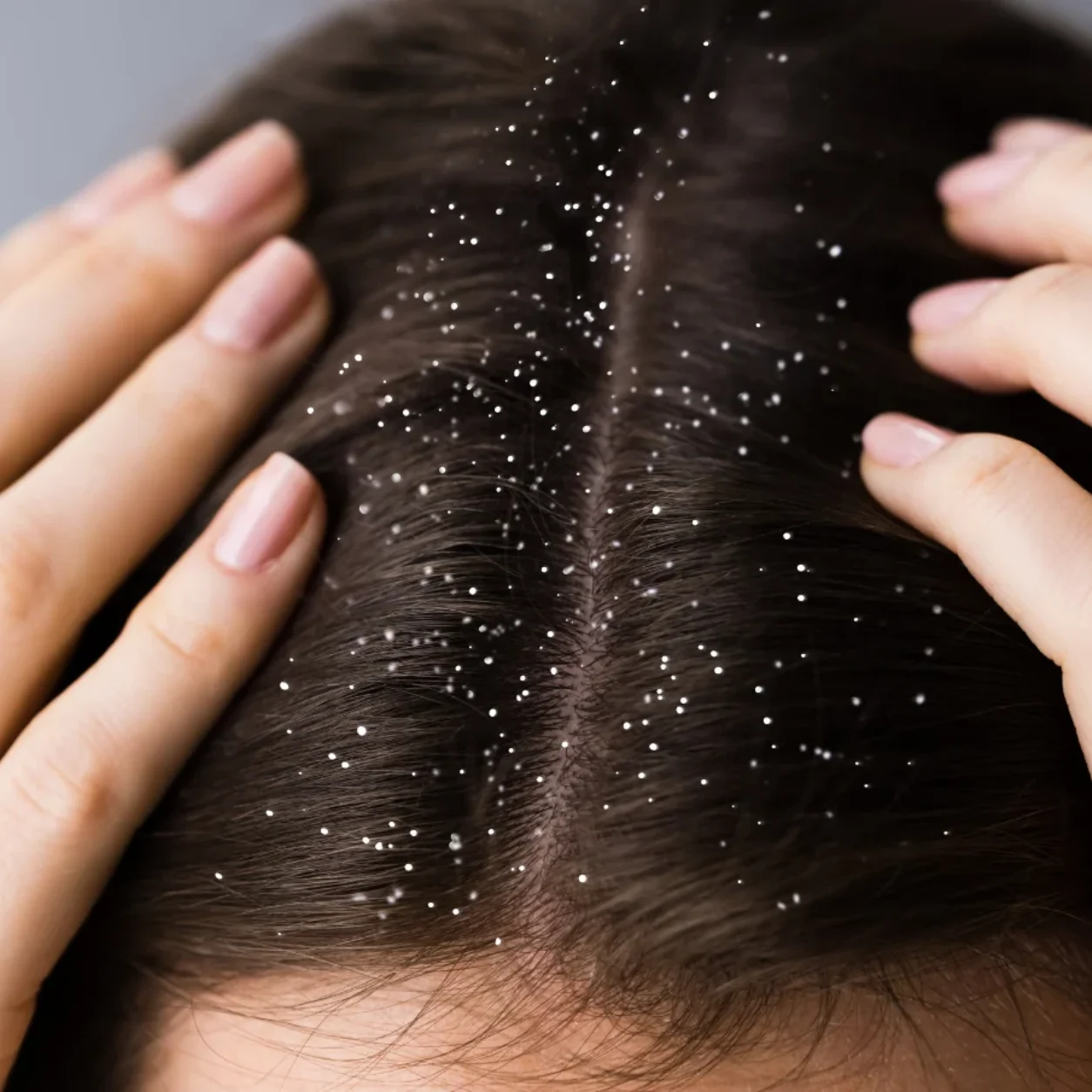
The rainy season brings relief from summer heat, but it can also make dandruff, scalp itching, and visible flakes more noticeable. Changes in humidity, sweating, scalp oiliness, and hair-care habits may aggravate existing dandruff in susceptible individuals.
Understanding these factors can help you maintain a healthy scalp and manage monsoon dandruff effectively.
Table of Contents
- 1. Why Does Dandruff Increase During the Rainy Season?
- 2. Common Causes of Monsoon Dandruff
- 3. Dandruff vs Dry Scalp
- 4.How to Manage Dandruff During Monsoon
- 5. When to Consult a Dermatologist
- 6. Frequently Asked Questions
- 7. Conclusion
Why Does Dandruff Increase During the Rainy Season?
Dandruff may become more noticeable during the rainy season because changes in sweating, scalp oiliness, humidity, and hair-care routines can aggravate an already sensitive scalp.
A naturally occurring yeast called Malassezia plays a role in dandruff. Its interaction with scalp oils and individual skin sensitivity can trigger irritation and increased skin-cell shedding, resulting in visible flakes.
Rainwater itself does not directly cause dandruff, and seasonal changes affect everyone differently.
Common Causes of Monsoon Dandruff
- Humidity and scalp oiliness: Environmental changes may influence scalp conditions and aggravate flaking in people prone to dandruff.
- Excessive sweating: Sweat mixing with natural oils and product may increase greasiness and irritation.
- Malassezia yeast: This naturally occurring yeast can contribute to inflammation and flaking in susceptible individuals.
- Keeping hair wet: Leaving the scalp damp for extended periods may cause oil build up, although wet hair does not directly cause dandruff.
- Irregular hair washing: Infrequent cleansing may allow oil, sweat, and styling products to accumulate, making flakes more noticeable.
Dandruff vs Dry Scalp
Melasma is a pigmentation condition characterised by brown or grey-brown patches, usually on sun-exposed areas of the face.
It commonly affects the cheeks, forehead, upper lip, chin, and nose. The patches often appear symmetrically on both sides of the face.
Common triggers include:
- Ultraviolet and visible-light exposure
- Hormonal changes, including pregnancy
- Genetic predisposition
- Certain hormonal medications
Melasma may persist or recur, making consistent sun protection and long-term management important.
3. Melasma vs. Hyperpigmentation: Key Differences
| Feature | Dandruff | Dry Scalp |
|---|---|---|
| Main cause | Scalp oils, Malassezia, and skin sensitivity | Reduced skin moisture |
| Flakes | White or yellowish, sometimes greasy | Usually small and dry |
| Scalp condition | Often oily | Often dry or tight |
| Management | Anti-dandruff shampoo | Gentle cleansing and suitable moisturising care |
These conditions can overlap. Consult a dermatologist if symptoms persist or worsen.
How to Manage Dandruff During Monsoon
- Use an appropriate anti-dandruff shampoo: Ingredients such as ketoconazole, selenium sulfide, and salicylic acid may help manage dandruff. Follow product instructions.
- Wash your hair regularly: Choose a washing frequency suited to your scalp's oiliness and sensitivity.
- Dry your scalp properly: After getting wet in the rain, gently dry your hair and avoid covering soaking-wet hair for extended periods.
- Avoid excessive scalp oiling: Heavy oils may worsen greasiness or flaking in some people.
- Keep accessories clean: Clean helmets, combs, brushes, and pillowcases regularly.
- Avoid scratching: Scratching can irritate the scalp and cause minor skin injuries..
When Should You Consult a Dermatologist?
Consult a dermatologist if dandruff persists despite appropriate treatment, itching becomes severe, or you notice redness, thick scales, sores, or hair loss.
Persistent flaking may be associated with seborrheic dermatitis, psoriasis, contact dermatitis, or other scalp conditions requiring specific treatment.
Explore CUTIS hair and scalp care services or hair-loss treatment services to learn more about available dermatological care.
Conclusion
Monsoon dandruff may worsen due to changes in scalp oiliness, sweating, and hair-care habits. Regular cleansing, appropriate anti-dandruff shampoo, and proper scalp drying can help control symptoms.
If flaking persists or becomes severe, consult a dermatologist to identify the underlying cause and receive personalised treatment.
Healthy scalp care starts with understanding your scalp—not just treating the flakes.
Frequently Ask Question
We use only the best quality materials on the market in order to provide the best products to our patients.
Changes in sweating, scalp oiliness, humidity, and hair-care habits may aggravate dandruff in susceptible individuals.
No. Rainwater does not directly cause dandruff, although leaving the scalp damp may contribute to discomfort.
Shampoos containing ketoconazole, selenium sulfide, or salicylic acid may help. The best option depends on your symptoms and scalp condition.
Dandruff does not usually cause permanent hair loss. However, severe itching and scratching may contribute to temporary shedding or hair breakage.
Seek professional advice if dandruff is severe, persistent, or accompanied by significant redness, discomfort, sores, or hair loss.