
Does Low Vitamin D Cause Hair Loss? A Clear, Simple Guide
Introduction
Hair loss can occur due to a variety of reasons, including hormonal changes, stress, nutritional deficiencies and certain medical conditions. A nutrient that has gained a great deal of attention in recent years is Vitamin D. But does low vitamin D deficiency actually cause hair loss? What level of Vitamin D is normal for good hair?Will solely correcting your Vitamin D levels, correct your hair loss?
In this guide, we will explain the connection between vitamin D and hair health, the symptoms of deficiency, and what you can do if you suspect low vitamin D is affecting your hair.
What Is Vitamin D ?
Vitamin D is an essential fat soluble vitamin that helps the body absorb calcium, supports bone health, strengthens the immune system, and plays a critical role in maintaining healthy skin and hair. Vitamin D is present in fatty fish, eggs (particularly the yolks), fortified milk and yogurts, and mushrooms. Mushrooms, and Vitamin D fortified vegan milk and cereals are commercially available, and are good options for vegans.
While it’s well known that the body produces Vitamin D when the skin is exposed to sunlight, the intensity, duration and type of sunlight are important factors in deciding the level of vitamin D production. Thus, despite India being a tropical sunny country, we see many patients with Vitamin D. Furthermore, excessive sunlight exposure can cause sunburns, photoageing, pigmentation and can worsen certain skin diseases. These concerns can be discussed with your dermatologist who can guide you appropriately.
How Does Vitamin D Affect Hair?
Hair grows from tiny structures in the skin called hair follicles. Research has proven that vitamin D is important for maintaining healthy hair follicles and regulates new hair growth.
Low vitamin D levels can affect the hair growth cycle, potentially leading to increased hair shedding and slower regrowth in some individuals.
Can Vitamin D Deficiency Cause Hair Loss?
While several hair disorders are linked with low vitamin D levels, like Telogen Effluvium, Alopecia Areata and Female Pattern Hair Loss, the exact clinical relevance for many disorders has yet to be ascertained.
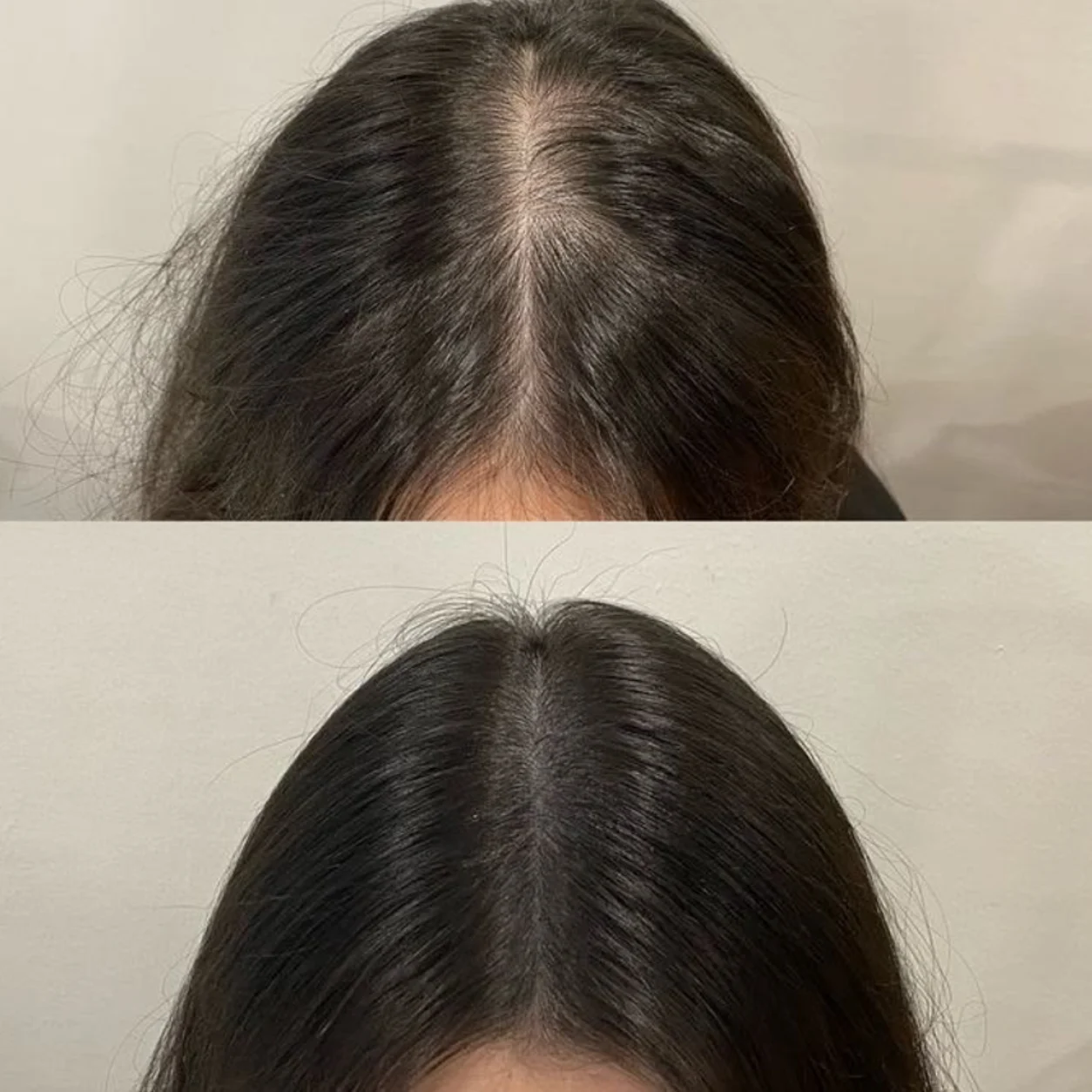
A very high level of association exists between low Vitamin D levels and Telogen Effluvium. This is the increased hair shedding that can occur after illness, stress, surgery, or nutritional deficiencies. This can be longer in some patients and the large number of hair shed can be very distressing. Vitamin D deficiency has a strong association with Telogen effluvium, and appropriate treatment can help reduce hair fall.
Symptoms of Vitamin D Deficiency
Besides hair thinning, vitamin D deficiency causes symptoms beyond hair loss, including fatigue, weakness, bone or muscle pain, low mood, frequent infections, and slow wound healing. As these symptoms are commonly caused by medical conditions, a blood test can be done to reliably detect vitamin D deficiency.
How Is Vitamin D Deficiency Diagnosed?
After a thorough clinical check up, including a check up for other hair loss such as iron deficiency, thyroid disorders, hormonal imbalances, or scalp conditions, a dermatologist may recommend a 25-hydroxy vitamin D blood test if vitamin D deficiency is suspected.
A proper diagnosis is crucial because treating hair loss without identifying the underlying cause can lead to ineffective treatment.
Can Hair Grow Back After Correcting Vitamin D Levels?
If vitamin D deficiency is contributing to hair loss, restoring vitamin D levels to normal may help support healthier hair growth over time. However, it is important to bear in mind that decrease in shedding and regrowth is gradual and usually takes several months. If hair loss is caused by multiple factors, additional treatments may also be recommended based on the diagnosis.
Avoid taking high-dose vitamin D supplements without medical advice, as excessive vitamin D intake can cause serious health problems. Similarly, over-the-counter Vitamin D supplements like gummies and supplements often have inadequate dosages to correct deficiencies. Availability of different formulations like calcitriol, calcidiol and in various combinations with calcium, magnesium and vitamin K further add to confusion. Your dermatologist can correctly guide you in helping find the best suitable supplement for your body
Tips to Maintain Healthy Vitamin D Levels
You can help maintain healthy vitamin D levels by:
- Eating vitamin D-rich foods such as fatty fish, egg yolks, fortified milk, and fortified cereals.
- Taking appropriate vitamin D supplements only if recommended by your healthcare provider.
- Following a balanced diet that also includes iron, protein, zinc, and other nutrients important for hair health.
A proper diagnosis is crucial because treating hair loss without identifying the underlying cause can lead to ineffective treatment.
When Should You See a Dermatologist ?
If you’re experiencing excessive hair shedding, visible thinning, patchy bald spots, or hair loss lasting more than a few weeks, it’s best to consult a dermatologist. Early evaluation can help identify the exact cause and ensure appropriate treatment before hair loss progresses.
Frequently Ask Question
We use only the best quality materials on the market in order to provide the best products to our patients.
Yes, it can contribute to hair loss in some people, but it is often one of several underlying factors.
Decrease in shedding is gradual and noticeable improvement may take 3–6 months, depending on the cause and individual response.
Not without a blood test and medical advice. Excess vitamin D can be harmful. Taking large amounts of D3 can cause nausea, vomiting, dehydration and constipation. Supplements should be taken after consultation with your healthcare provider.
If you notice excessive hair shedding, thinning, or patchy hair loss that persists for several weeks, consult a dermatologist for proper evaluation and treatment.