Pigmentation

We’re always happy to hear from you! Reach out for consultations, clarifications, or just to learn more about how we can help.

Pigmentation

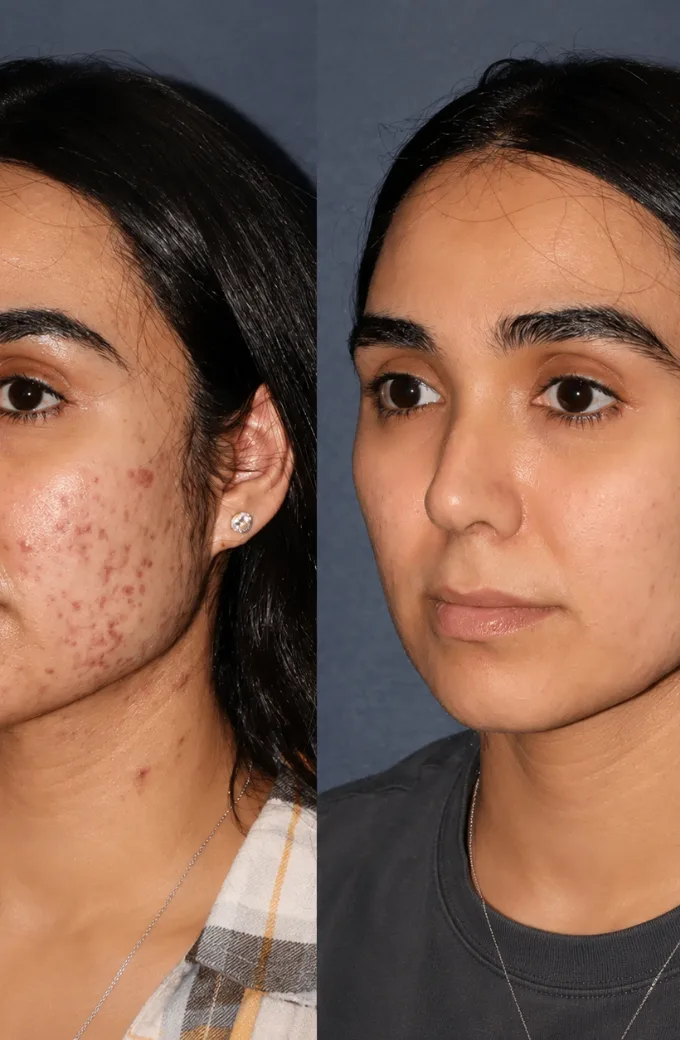
Hyperpigmentation occurs when melanin production increases, leading to darkened patches on the skin. It can be triggered by sun exposure, inflammation (post-inflammatory hyperpigmentation), hormonal changes (melasma), medications or injury. Cutis Hospital offers targeted treatments to even out skin tone safely.

Overview

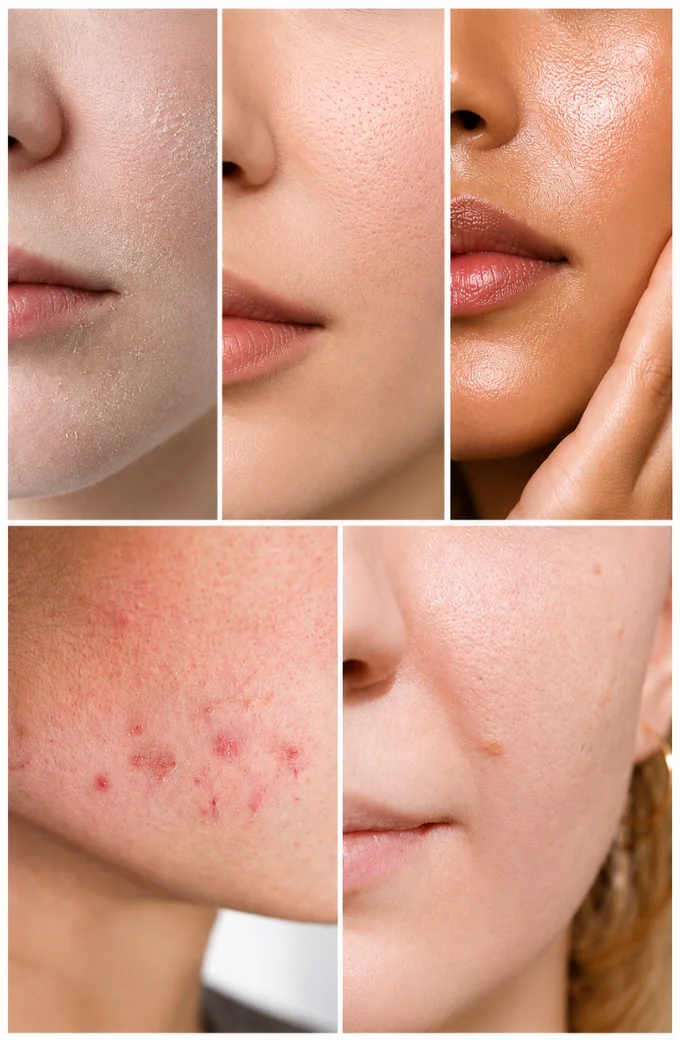
Pigmentation disorders result from melanocyte overactivity or uneven melanin distribution. Common types include sun spots, melasma, post-inflammatory hyperpigmentation and lichen planus pigmentosus. Protection from UV radiation and appropriate topical or procedural interventions are key to management.
Hyperpigmentation affects individuals of all skin types, often worsening with sun exposure. Melasma, a subtype, is common in pregnant women and those on hormonal therapy. At Cutis Hospital, we provide combination treatments—topicals like hydroquinone, chemical peels and laser modalities—to restore uniform skin tone.

What are the types of hyperpigmentation?

Sun spots (solar lentigines): UV-induced small dark macules Melasma: Symmetrical facial brown patches linked to hormones and UV. Post-inflammatory: Follows acne, eczema or injury. Freckles: Genetic, sun-exacerbated small spots.

How does hyperpigmentation occur?

Ultraviolet light or inflammation stimulates melanocytes to produce excess melanin. Melanin accumulates in the epidermis or dermis, causing visible darkening.

Symptoms & Causes

What causes hyperpigmentation?

Sun exposure, hormonal fluctuations, skin inflammation, certain drugs (e.g., minocycline), and genetic predisposition.

How does hyperpigmentation occur?

Clinical examination and Woodʼs lamp assessment determine depth (epidermal vs. dermal). Dermoscopy may aid in identifying lesion patterns.

Diagnosis and tests

How is hyperpigmentation diagnosed?

Clinical examination and Woodʼs lamp assessment determine depth (epidermal vs. dermal). Dermoscopy may aid in identifying lesion patterns.

Are any tests performed for hyperpigmentation?

No specific blood tests. Woodʼs lamp helps assess melanin depth. Biopsy is rarely needed to exclude other pigmented lesions.

Expert care starts here.

At Cutis, you’re in safe hands with Dr. B.S. Chandrashekar and our team of specialists. Just fill out the form, and we’ll get in touch to confirm your visit.

Hyperpigmentation is excess melanin deposition Includes sun spots, melasma, post-inflammatory patches UV protection is essential in management Depth of pigment guides treatment choice Early intervention prevents worsening

Hyperpigmentation depth

Epidermal: Superficial, responds well to topicals Dermal: Deeper pigment, may require lasers Mixed: Both layers involved

Treatment modalities for hyperpigmentation

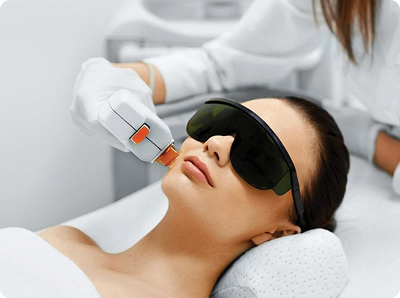
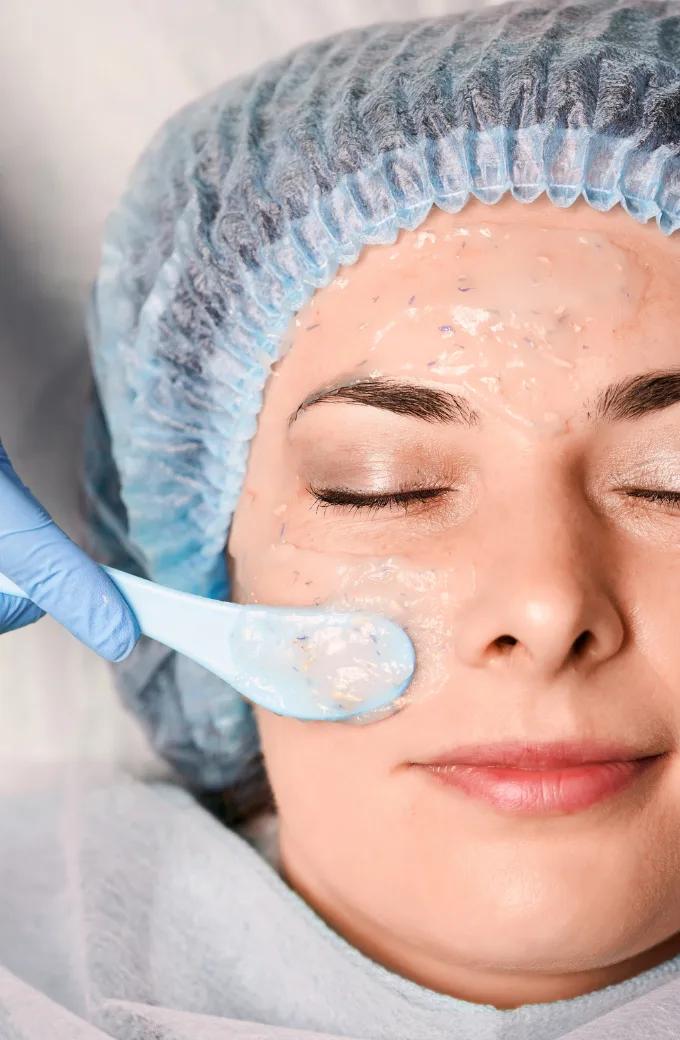
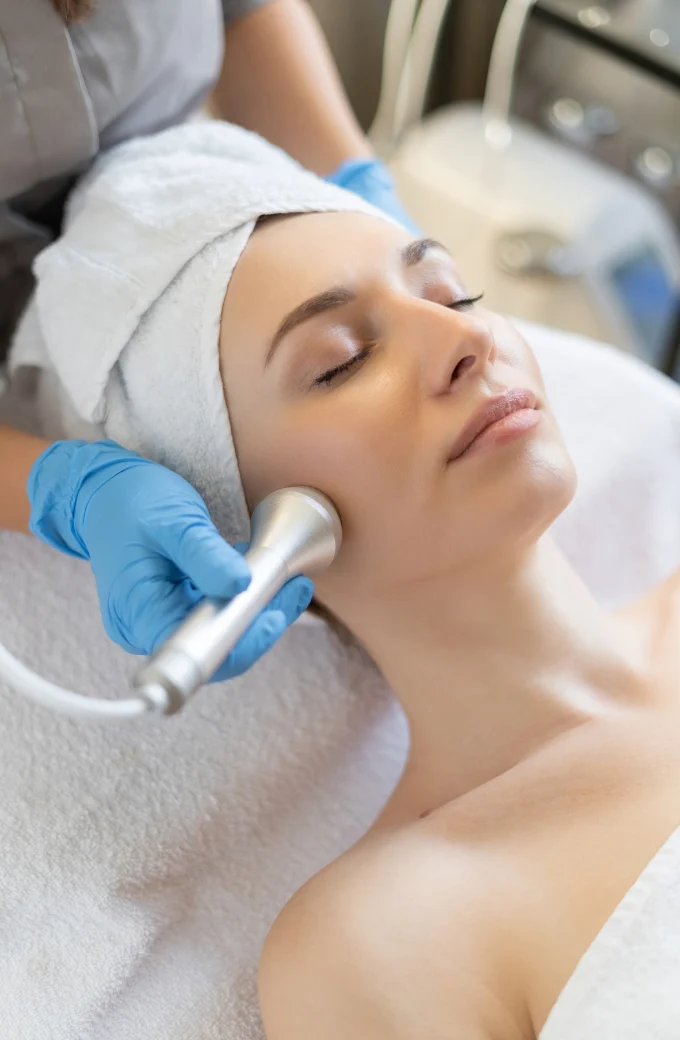
Topical agents: Hydroquinone, retinoids, azelaic acid, kojic acid. Procedures: Chemical peels (glycolic, TCA , microdermabrasion, Q-switched lasers, Intense Pulsed Light.

Being the best hospital for pigmentation treatments in Vijayanagar Bangalore, Cutis Hospital tailors multi-modal plans combining topicals, peels and laser therapies.

Hydroquinone Cream

Inhibits melanin production; apply twice daily up to 4 months under supervision.

Retinoids

Increase cell turnover; enhances lightening and penetration of other agents.

Azelaic Acid

Anti-inflammatory and tyrosinase inhibitor; ideal for sensitive skin and rosacea-associated pigmentation.

Chemical Peels

Glycolic or TCA peels remove epidermal pigment; performed in sessions.

Laser Therapy

Broad-spectrum SPF 30+ and physical blockers to prevent recurrence.

Sun Protection

Broad-spectrum SPF 30+ and physical blockers to prevent recurrence.

Best Hospital for Pigmentation Treatment in Bangalore

Effective pigmentation management combines sun protection, topical lighteners and procedural therapies. At Cutis Hospital, our dermatologists create personalized protocols for lasting, even skin tone.
We offer comprehensive services such as Body Contouring, Botox and Fillers, HIFU, Laser Toning, Gold Toning, Chemical Peels, Facial Rejuvenation, Laser Hair Removal, alongside specialist pigmentation and melasma care.

Cutis Viewpoint

Articles

Psoriasis Treatment in Bangalore: Biologics, Lasers & Remission Strategies (2026 Guide)

Introduction Psoriasis is a chronic, autoimmune inflammatory skin condition affecting

Read More..

Melasma Treatment in Bangalore: Causes, Latest Therapies & Long-Term Management

Introduction Melasma is a chronic hyperpigmentation disorder affecting millions worldwide,

Read More..

Pigmentation Treatment in Bangalore: Dark Spots, Lasers & Advanced Skin Brightening (2026 Guide)

Introduction Pigmentation disorders are among the most common and emotionally

Read More..

Fungal Infection Treatment in Bangalore: Complete Identification, Treatment & Prevention Guide

Introduction Fungal skin infections affect millions globally and are among

Read More..

Atopic Dermatitis (Eczema): Complete Guide to Modern Treatment in Bangalore

Introduction Atopic dermatitis, commonly known as eczema, is a chronic

Read More..

Easily book an appointment in 3 simple steps.